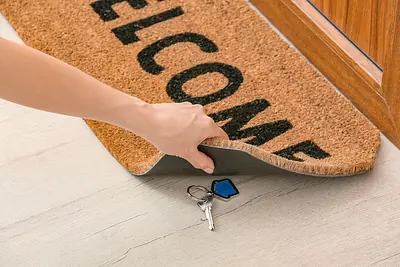
This article teaches you how to strike the perfect balance between ensuring safety and complying with the lease agreement.
🔐 Part 1: Why Change the Locks?
Unless the landlord replaces the lock with a brand new one in your presence upon handing over the property, it is recommended that tenants replace the "lock cylinder" themselves.
This is not about distrusting the landlord, but rather because a house may have experienced the following before being rented out:
- Real estate agents opening the door: Multiple agents in the area may have held keys to the unit to show it to clients.
- Renovation/cleaning workers: If the unit was recently renovated, renovation workers once held the keys (even if they were "renovation keys," the risk remains).
- Previous tenants: You cannot be sure if previous tenants secretly made extra copies of the keys for friends or family.
For the safety of your and your family's belongings, changing the locks is the lowest-cost, highest-benefit form of insurance.
⚖️ Second Part: Can Landlords Refuse You from Changing the Locks?
Many tenants are hesitant to change the locks because rental agreements often include a clause: "Do not alter the unit's facilities without the landlord's consent."
As long as you only replace the "lock cylinder" and do not remove and reinstall the entire door lock, it is generally considered a reversible alteration.
- Legal Principle: Tenants have the "exclusive right to occupy". You have the right to refuse entry to anyone (including the landlord), and changing the lock is one way to exercise this right.
- Lease Restrictions: Although the lease states "no alterations," if you reinstall the "original lock cylinder" when moving out, meaning you restore the unit to its original condition, the landlord has no actual loss and it is difficult to deduct your deposit on this basis.
Must the landlord keep a set of spare keys?
Legally, there is no such requirement.
- "Right to Quiet Enjoyment": This is a right granted to tenants under common law. Once the landlord rents out the unit, they relinquish the right to occupy it.
🛠️ Part 3: Practical Guide
Replace Only the 'Lock Cylinder', Keep the 'Original'
- Do not replace the entire iron gate lock or main door lock (it's time-consuming, troublesome, and expensive).
- Go to a hardware store to buy a lock cylinder of the same model (costs tens to hundreds of dollars).
- Replace the new lock cylinder yourself or hire a professional.
- Key action: Keep the removed old lock cylinder and old keys safe! Never throw them away!
Notify the Landlord
- Notify the landlord: "For safety, I will replace the lock cylinder and restore it when moving out." If the landlord insists on having a spare key, you can politely refuse: "Sorry, because there are valuable items at home, it's not convenient to leave a key."
What to Do If You Suspect Unauthorized Entry into Your Home?
- Immediately Gather Evidence: Photos, videos, door lock marks, WhatsApp records
- Issue a Written Request to Stop: State clearly that "Any entry into the premises must be notified and agreed upon in advance"
- Seek Third-Party Assistance: The Rating and Valuation Department offers free consultation and mediation services for tenancy matters, which can be one of the channels for seeking help.
- If Involving Personal Safety / Serious Situations: Consider reporting to the police or seeking legal advice (depending on the actual circumstances).