
Table of Contents
2024 Car Park Rental Guide in HK: Rental Process and Prices
🎧 Listen to this article
In Hong Kong, due to the scarcity of urban parking spaces and the high cost of renting a parking spot, car owners often spend a significant amount of time and effort finding a suitable parking space. This guide will detail the 2024 car park rental process, types and prices of parking spaces, considerations for monthly rentals, and the priority order for public housing parking spaces.
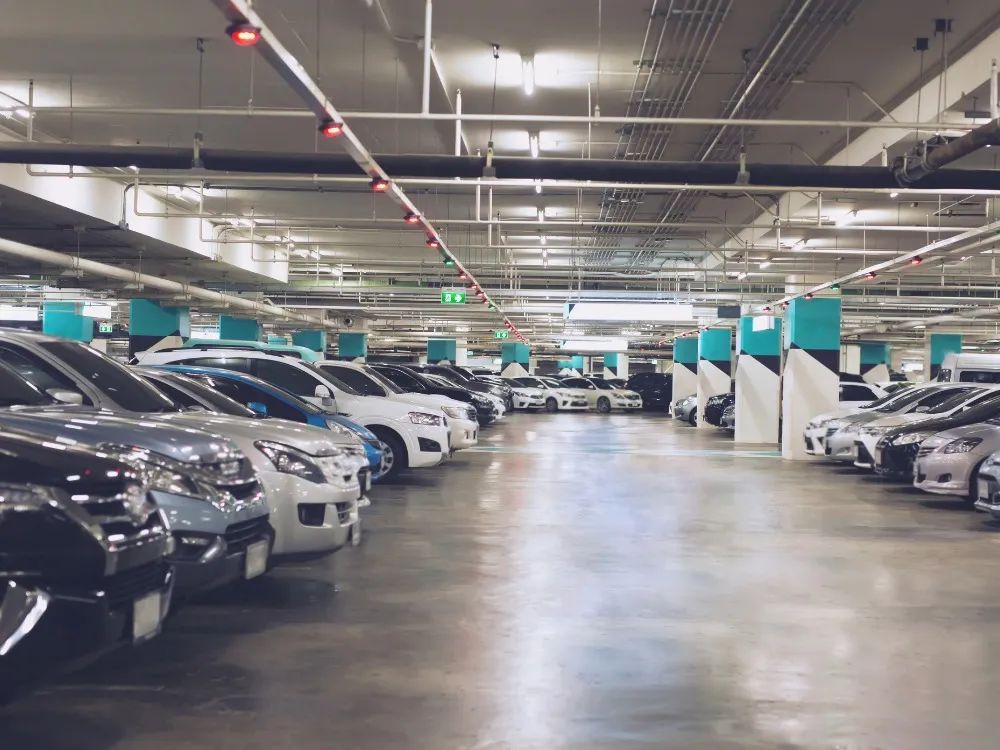
Types of Car Parks in Hong Kong
Private Car Parking Spaces
Private car parking spaces are designed specifically for private vehicles and are usually located in residential areas, commercial districts, or dedicated parking lots. The price of these spaces varies based on location and facilities. In central areas such as Central or Tsim Sha Tsui, the monthly rent for a private car parking space generally ranges from HKD 4,000 to 6,000, while in more remote areas like the New Territories, prices range from HKD 2,000 to 4,000.
Motorcycle Parking Spaces
Motorcycle parking spaces are designed for motorcycles, typically smaller and cheaper than private car spaces. These spaces are also located in residential areas, commercial districts, or dedicated parking lots. Monthly rents for motorcycle parking spaces generally range from HKD 500 to 1,500, depending on the area and facilities. Prices may be higher in central areas and more affordable in regions like the New Territories.
Residential Parking Spaces
Residential parking spaces are usually located in the basement or ground-level parking areas of residential buildings, exclusively for residents. These spaces offer higher security, often equipped with security and surveillance systems. Monthly rents for residential parking spaces typically range from HKD 3,000 to 5,000, depending on the location and amenities of the residential complex. For example, parking spaces in high-end residential areas are more expensive, while those in regular residential areas are relatively cheaper.
Open-air Parking Spaces
Open-air parking spaces are located in outdoor public or private areas, such as open spaces within residential areas or next to commercial buildings. These spaces are relatively cheaper due to the lack of additional protection and facilities. Monthly rents for open-air parking spaces generally range from HKD 2,000 to 3,000, suitable for car owners who don't mind their vehicles being exposed to the elements.
Underground Parking Spaces
Underground parking spaces are located in the basement levels of residential or commercial buildings, offering higher security and protection. These spaces are typically equipped with 24-hour security and surveillance systems to ensure vehicle safety. Monthly rents for underground parking spaces usually range from HKD 3,000 to 5,000, depending on the location and facilities. For instance, prices in bustling areas like Central or Tsim Sha Tsui might be close to HKD 5,000, while in the New Territories, they are relatively cheaper.
Car Park Rental Process in Hong Kong
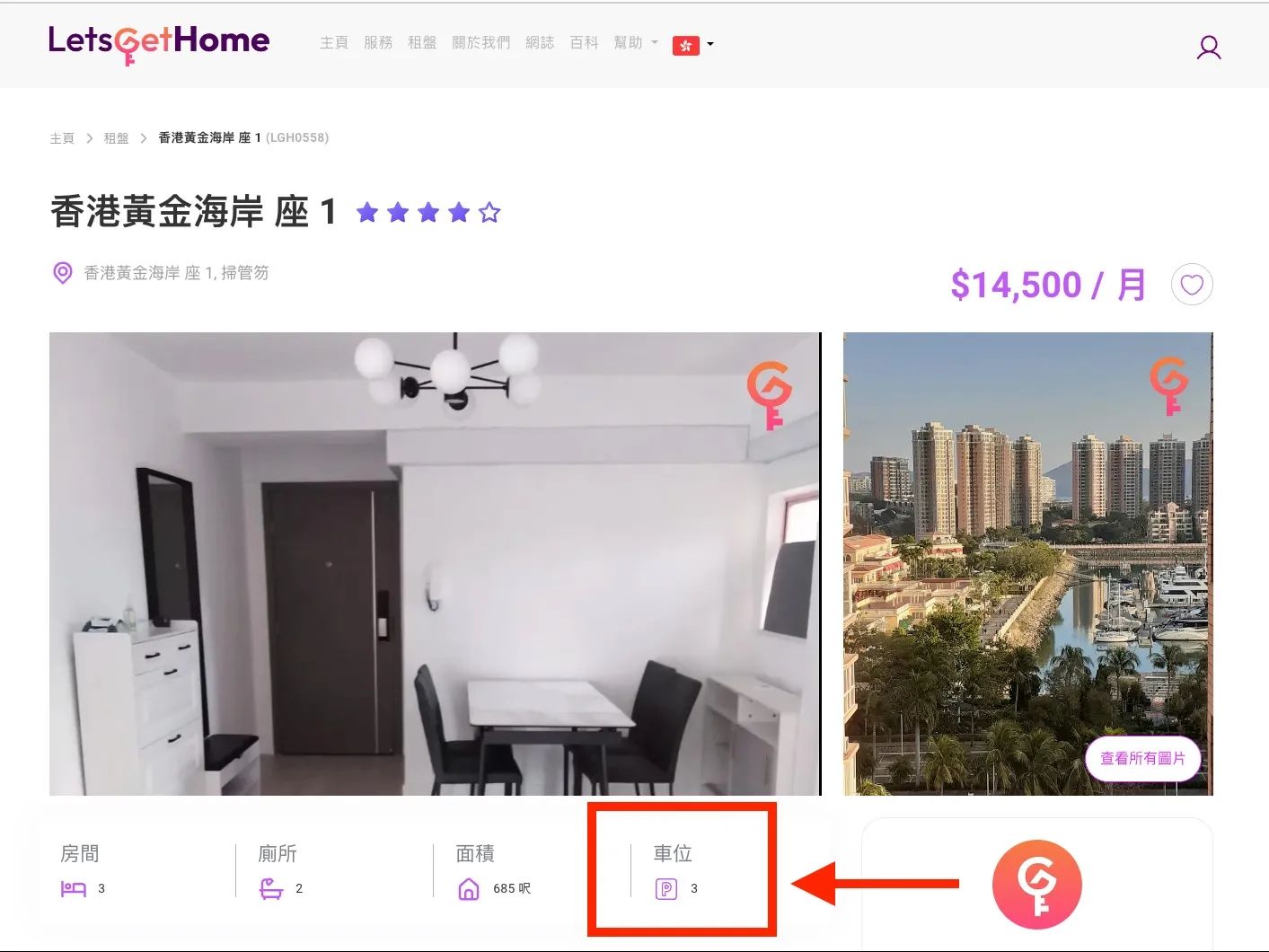
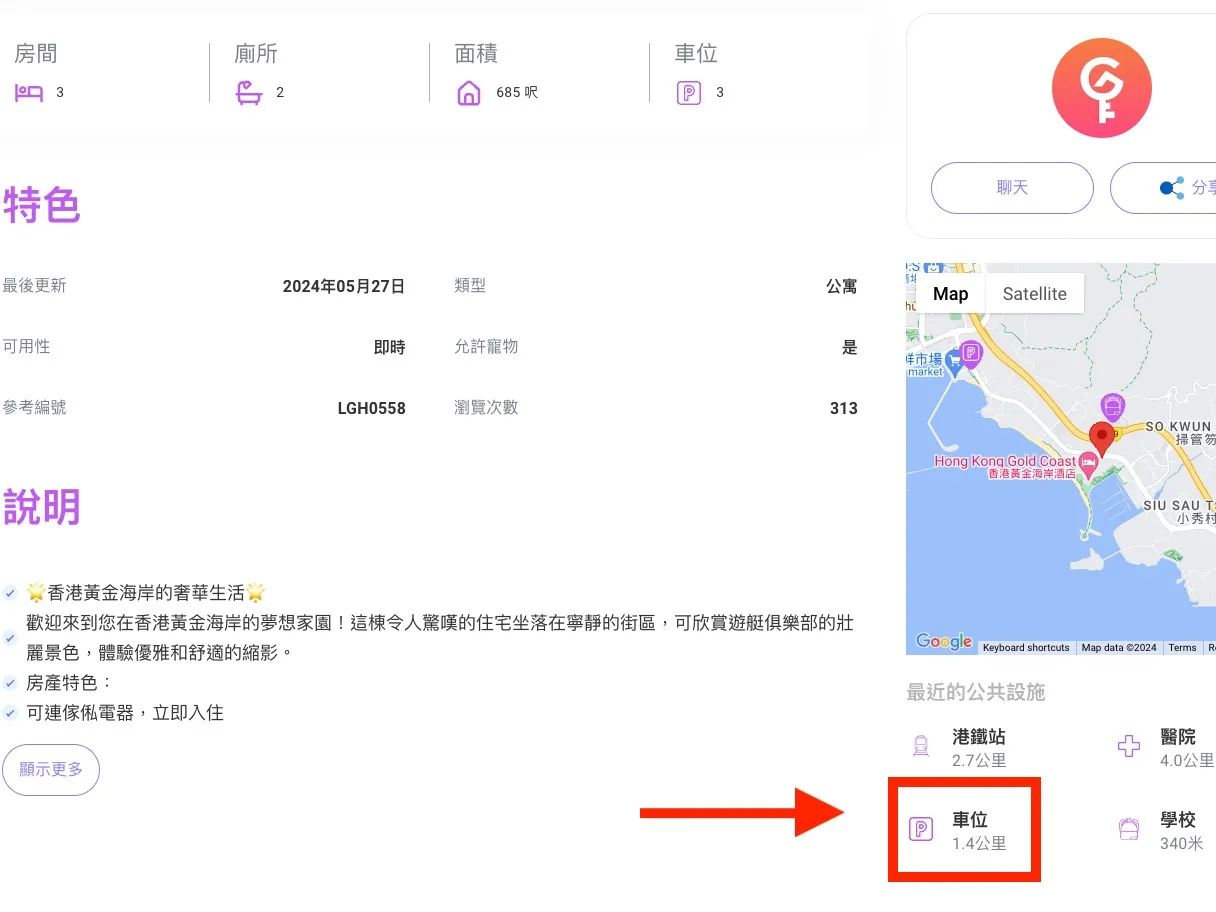
- Search for Parking SpacesUtilize online rental platforms or real estate agents to find available parking spaces. Websites like House730, 28Hse, and LetsGetHome list parking spaces for rent. On LetsGetHome, renters can check if the rental property includes a parking space, or find nearby parking facilities under "Nearby Public Facilities."
Considerations When Renting a Parking Space
- Details in the Lease AgreementSigning a lease agreement is crucial to protecting the rights of both parties when renting a parking space. Renters should carefully read the agreement to ensure the rental terms are clear and explicit. The agreement should outline the rental period, rent amount, payment method, deposit amount, and other relevant terms.
- Miscellaneous fees of Car ParkOften overlooked expenses when renting a parking space include rates, government rent, and management fees. Rates are calculated at 5% of the annual rental value of the space, while government rent varies by space, usually at 3% of the rental value. Renters should be aware of these costs in advance and confirm with the landlord who will bear these expenses.
- Rights and Obligations During the Rental PeriodDuring the rental period, renters have the right to use the parking space and must comply with the usage rules, such as timely rent payment and maintaining cleanliness. The landlord is obligated to provide a safe and compliant parking space and promptly address any issues.
Car Park Tenancy Agreement PDF
A comprehensive parking spot rental agreement should include the following basic elements: parking space address and number, rental period (start and end dates), monthly rent and payment method, deposit amount, and payment date.
The parking lease agreement should also detail the rights and obligations of both parties, such as the landlord providing a safe and compliant parking space and maintaining basic facilities, while the tenant pays rent on time and follows parking space rules. Additionally, the agreement should include breach of contract clauses and stipulate conditions and procedures for lease termination, ensuring the protection of both parties' rights.
If you are looking for a car park, you can directly contact LetsGetHome. Also, we provide the parking rental agreement for users to download.
Priority Order for Public Housing Parking Spaces in Hong Kong
The priority order for public housing parking spaces in Hong Kong is usually based on the following criteria:
- Resident Priority: Priority is given to residents of the public housing estate to facilitate their daily lives.
- Residents with Special Needs: Among residents, those with special needs, such as the elderly with mobility issues or disabled individuals, are given priority.
- Application Order: Parking spaces are usually allocated based on the order of application, with earlier applicants receiving priority.
- Vehicle Type: Some estates may prioritize certain types of vehicles, such as electric or environmentally friendly vehicles.
- Other Special Circumstances: Depending on actual conditions, special situations and needs, such as families with multiple members requiring vehicle use, may also be considered.
Specific priority orders may vary based on the policies and circumstances of different estates. It is advisable to inquire with the management office of your estate for detailed parking space allocation policies.