

Table of Contents
2025 Guide: Am I Eligible for Public Rental Housing in HK
🎧 Listen to this article
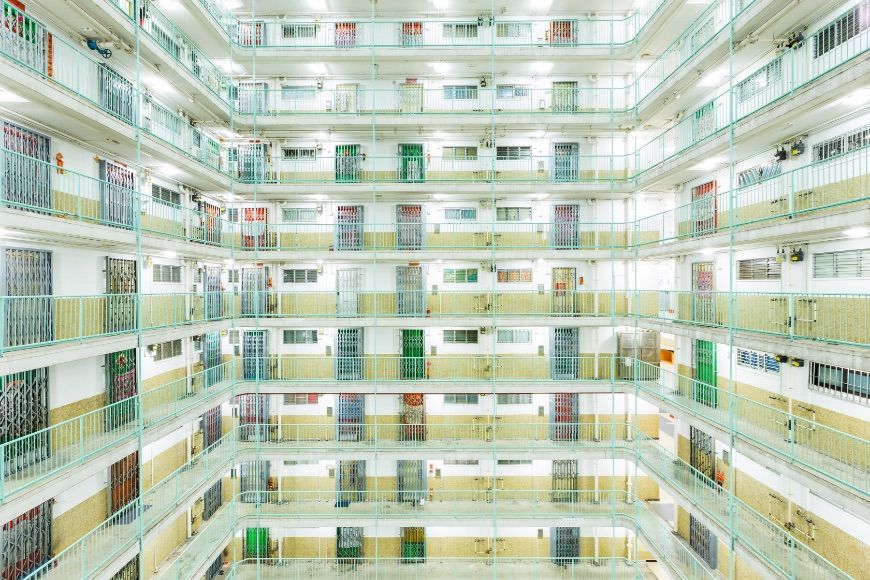
In Hong Kong, housing remains a critical concern for its residents, particularly the options provided by the government, such as Public Rental Housing (PRH) and the Home Ownership Scheme (HOS). Understanding the differences between these options, the eligibility criteria for Public Rental Housing, and the application process are essential for prospective applicants.
Differences Between Public Rental Housing and Home Ownership Scheme
- Public Rental Housing (PRH): Offered by the Hong Kong Housing Authority, this option targets citizens with lower incomes who meet specific criteria, providing them with affordable rental options due to their inability to purchase private housing.
- Home Ownership Scheme (HOS): This scheme allows citizens with moderate financial capabilities to purchase their own homes at prices below the market value, facilitating homeownership among those who cannot afford private market prices.
Eligibility for Hong Kong Public Rental Housing
To apply for Public Rental Housing in Hong Kong, applicants must meet several key criteria:
- Age: Applicants must be at least 18 years old.
- Residency: Applicants and their family members must be current residents of Hong Kong with the right of abode.
- Application Status: Married applicants are required to apply with their spouse.
- Residency Duration: At least half of the family members must have lived in Hong Kong for a continuous period of 7 years.
- Income and Asset Limits: The family's total monthly income and net asset value must not exceed the limits set by the Housing Authority.
Income and Asset Limits for Public Rental Housing
Effective from April 1, 2021, the income and asset limits for Public Rental Housing applicants are set based on family size, ranging from a maximum monthly income of HK$12,940 for an individual to HK$62,980 for families of ten or more. Asset limits also vary, starting at HK$266,000 for an individual.
Public Rental Housing Application Restrictions
New applicants for Public Rental Housing face restrictions on choosing housing locations, often excluding urban areas of Hong Kong and Kowloon. Exceptions are made for specific categories of applicants, such as elderly singles or participants in certain schemes.
Waiting Time for Public Rental Housing
The average waiting time for Public Rental Housing varies by applicant category, with general applicants facing over 5 years and elderly single applicants around 3 years. Non-elderly single applicants may experience waiting times up to 30 years.
Checking Public Rental Housing Application Progress
Applicants can check their Public Rental Housing application status online through the Hong Kong Housing Authority's system or by calling their 24-hour automated inquiry hotline.
Public Housing Flat Rent Policy
Upon securing a flat, tenants must adhere to the Public Housing Rules, including the "Well-off Tenant Policy," which involves regular income and asset checks. Rent adjustments are based on the "Public Housing Household Income Index," reviewed biennially.
It's important to note that neither Public Rental Housing nor Home Ownership Scheme flats can be sublet at will, as underground rentals violate Hong Kong's Housing Ordinance, and violators may face a fine of HK$500,000 and up to one year in jail.
PRH Waiting Period Rental Solutions: LetsGetHome
For those awaiting Public Rental Housing allocation, LetsGetHome offers a range of rental options across Hong Kong, facilitating direct landlord-tenant communication and ensuring a transparent and secure rental process. It's crucial to remember that subletting Public Rental Housing or HOS flats is illegal and subject to severe penalties.
During the waiting period for public rental housing in Hong Kong, many people look for suitable rental options. LetsGetHome focuses on the Hong Kong rental market, covering all districts in Hong Kong, Kowloon, and the New Territories, meeting the diverse needs of tenants, whether for single or family rentals. Especially for those who wish to contact landlords directly to save on agency fees, LetsGetHome provides an opportunity for direct communication.
The professional agent team at LetsGetHome is also ready to assist tenants and landlords with negotiation, contract signing, and other rental processes, ensuring transparency and security in transactions.
Whether you are looking for a temporary residence while waiting for public rental housing allocation or need a long-term rental solution, LetsGetHome is your best choice.