
Table of Contents
Beat Hong Kong's Mold: Causes, Fixes, and Prevention
🎧 Listen to this article
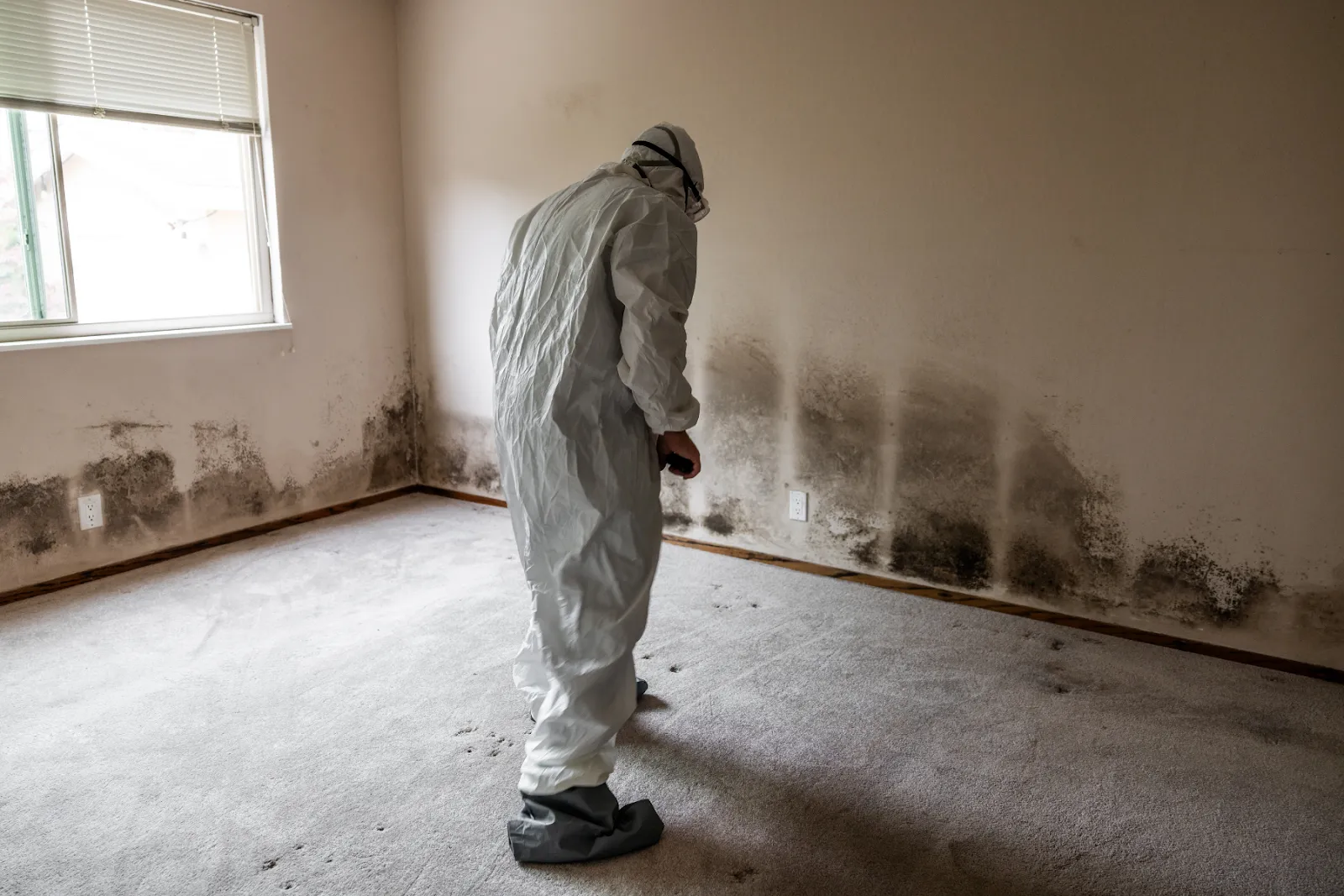
Q1|Why is the home damp and moldy?
Three most common reasons:1️⃣ High humidity: Hong Kong's average annual humidity is 70%–90%, combined with sealed windows that trap moisture.2️⃣ Condensation from temperature changes: Air conditioner vents, glass windows, and bathroom ceilings are prone to condensation, leading to mold spots.3️⃣ Poor ventilation: Long-term window closure, lack of exhaust fans, and wardrobes placed against walls cause moisture buildup, especially on north-facing walls or in bathrooms.
💧 Tip: When humidity exceeds 60%, it's the "golden growth period" for mold, so address it promptly.
Q2 | How do dampness and mold affect health?
- Short-term reactions: Stuffy nose, sneezing, itchy throat, skin itching.
- Long-term effects: Mold spores can worsen asthma, allergic rhinitis, and chronic rhinitis; people with low immunity or children are particularly susceptible.
- Common household locations: Corners of bathrooms, window sills, back panels of wardrobes, air conditioner vents, spaces under beds.
Q3|How to deal with a humid home?
💪 Do It Yourself (DIY Methods)
1️⃣ Keep the exhaust fan running and ventilate daily by opening windows: Maintain air circulation. 2️⃣ Turn on the dehumidifier or air conditioner in dry mode: Keep humidity at 45–55% for the best results. 3️⃣ Slight mold on walls — Use a dry cloth with alcohol: First wipe away the mold with a dry cloth; if not removed, gently wipe with a small amount of 70% alcohol. 4️⃣ More severe mold — Remove with sandpaper: If mold spots penetrate the wall, lightly sand the surface with fine sandpaper, then wipe dry. 5️⃣ Deep cleaning — Spray professional mold root removal products: After cleaning the surface, spray on the mold root remover and wipe with a dry cloth to penetrate the wall and remove mold roots. It is recommended to re-spray 1–2 times a year to prevent mold regrowth. 6️⃣ Prevent regrowth — Use anti-mold wall paint: If planning to repaint, choose "anti-mold wall paint" or "moisture-resistant primer" for longer-lasting protection. 7️⃣ Clothing mold prevention: Place desiccants or moisture-absorbing packs inside the wardrobe; if the wardrobe is kept closed for long periods, open the door regularly for ventilation. 8️⃣ Move furniture away: Keep the back of cabinets 3–5 cm away from the wall to avoid direct contact.
💼 Professional Services
1️⃣ Anti-mold Coating/Nano Coating: Can inhibit mold regrowth, suitable for corners or ceiling areas. 2️⃣ Infrared Leakage Detection: Professional companies can identify the source of leaks/condensation. 3️⃣ Structural Moisture-proof Engineering: If it's due to external wall leakage or underground moisture seepage, the owner needs to hire a contractor for repairs.
Hong Kong's weather is humid, and mold grows quickly. Remember not to delay when you see black spots - the earlier you address it, the less likely it will become a health problem.