
Table of Contents
Dark or Light Bathrooms: Which is Better for Your Home?
🎧 Listen to this article
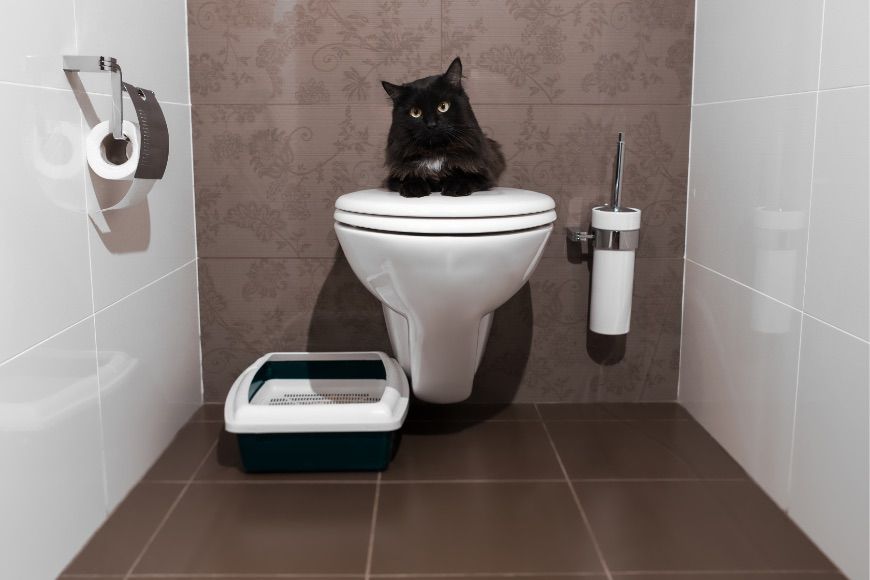
When renovating or building a bathroom, property owners face a pivotal decision: should they opt for a dark or light bathroom? This choice is not merely aesthetic; it influences the room's ventilation, health implications, and even adherence to building regulations. Let's explore the nuances of this decision, offering practical advice and vivid examples to guide you.
Dark Bathrooms
Advantages:
- Aesthetic Appeal: Dark bathrooms often feature a modern, sleek design that can make a strong style statement.
- Cost-Effective: Without the need for windows, dark bathrooms can sometimes be more cost-effective to construct, especially in high-density areas where space is at a premium.
Disadvantages:
- Ventilation Challenges: The lack of natural ventilation can lead to moisture buildup, fostering mold and mildew growth.
- Health Risks: Poorly ventilated dark bathrooms may become breeding grounds for bacteria and viruses, posing significant health risks.
Light Bathrooms
Advantages:
- Natural Ventilation: The presence of windows allows for natural light and air flow, reducing moisture and preventing mold.
- Healthier Environment: With better air quality and less dampness, light bathrooms can offer a healthier environment.
Disadvantages:
- Privacy Concerns: Windows in bathrooms can sometimes compromise privacy, though this can be mitigated with frosted glass or window treatments.
- Potential Heat Loss: In colder climates, windows may result in greater heat loss, increasing energy costs.
Navigating Building Regulations and Dispelling Misconceptions
When it comes to bathroom design, whether dark or light, understanding and navigating building regulations is crucial. Misconceptions about these regulations can lead to confusion, potentially resulting in design choices that do not align with legal requirements or optimal health standards. According to Building (Ventilating Systems) Regulations, Here are three key points to consider:
1. Ventilation Requirements Are Not One-Size-Fits-All
A common misconception is that all bathrooms must have windows to ensure proper ventilation. However, building codes often focus on the outcome—adequate air exchange—rather than prescribing specific means to achieve it. For instance, mechanical ventilation, such as exhaust fans, can be a compliant alternative to windows, provided they meet or exceed the required air changes per hour (ACH). This flexibility allows for the design of dark bathrooms in spaces where windows are not feasible, as long as an effective mechanical ventilation system is in place.
2. The Role of Mechanical Ventilation in Meeting Standards
Mechanical ventilation systems play a crucial role in ensuring that dark bathrooms meet health and safety standards. Advanced systems are designed to efficiently remove moist air, odors, and airborne contaminants, maintaining a healthy indoor environment. For example, a high-quality exhaust fan with a built-in humidity sensor can automatically adjust its speed based on the level of moisture in the air, ensuring optimal ventilation without manual intervention. It's important for property owners to select ventilation equipment that is not only powerful enough to meet the ACH requirements but also energy-efficient and quiet in operation.
3. Misunderstandings About Natural Light and Ventilation
Another widespread misconception is that natural light is necessary for a bathroom to be considered well-ventilated. While natural light does offer benefits, such as reducing the presence of mold and bacteria through UV exposure, it is not a requirement for ventilation under most building codes. Proper ventilation focuses on air movement and moisture control, which can be effectively achieved through mechanical means. That said, incorporating natural light when possible can enhance the aesthetics of the space and contribute to a more pleasant and healthful environment. Innovative design solutions, such as skylights or light tubes, can bring natural light into dark bathrooms, marrying the best of both worlds.
Practical Solutions for Every Bathroom
Enhanced Ventilation Systems
Whether dark or light, proper ventilation is key to a healthy bathroom. Advanced exhaust systems can mitigate the challenges associated with dark bathrooms, while light bathrooms can benefit from natural ventilation supplemented by mechanical means.
Regular Maintenance and Cleaning
Maintaining a bathroom's health and appearance requires regular cleaning. For dark bathrooms, using mold-resistant paint and ensuring that all surfaces are dry can prevent mold growth. Light bathrooms, with their exposure to natural elements, may require frequent cleaning to maintain their brightness and prevent dust accumulation.
Incorporating Natural Elements
Even in dark bathrooms, the addition of natural elements like plants can improve air quality and add a touch of nature. Certain plants thrive in low-light, high-humidity environments, purifying the air and adding a vibrant splash of green.
LetsGetHome: Get Bathrooms in Your Way
In conclusion, whether you're drawn to the sleek sophistication of dark bathrooms or the airy brightness of light-filled ones, understanding the balance between design preferences, health considerations, and building regulations is key to creating a space that is both beautiful and functional.
At LetsGetHome, we recognize the importance of making your rental feel like a true home, one that reflects your personal style while adhering to the highest standards of health and safety.
Bear in mind, a well-chosen bathroom not only adds value to your home but also enhances your daily living experience, making it a sanctuary of relaxation and rejuvenation in the heart of Hong Kong.