
Table of Contents
Hidden Risks in Hong Kong Second-Hand Special Units
🎧 Listen to this article
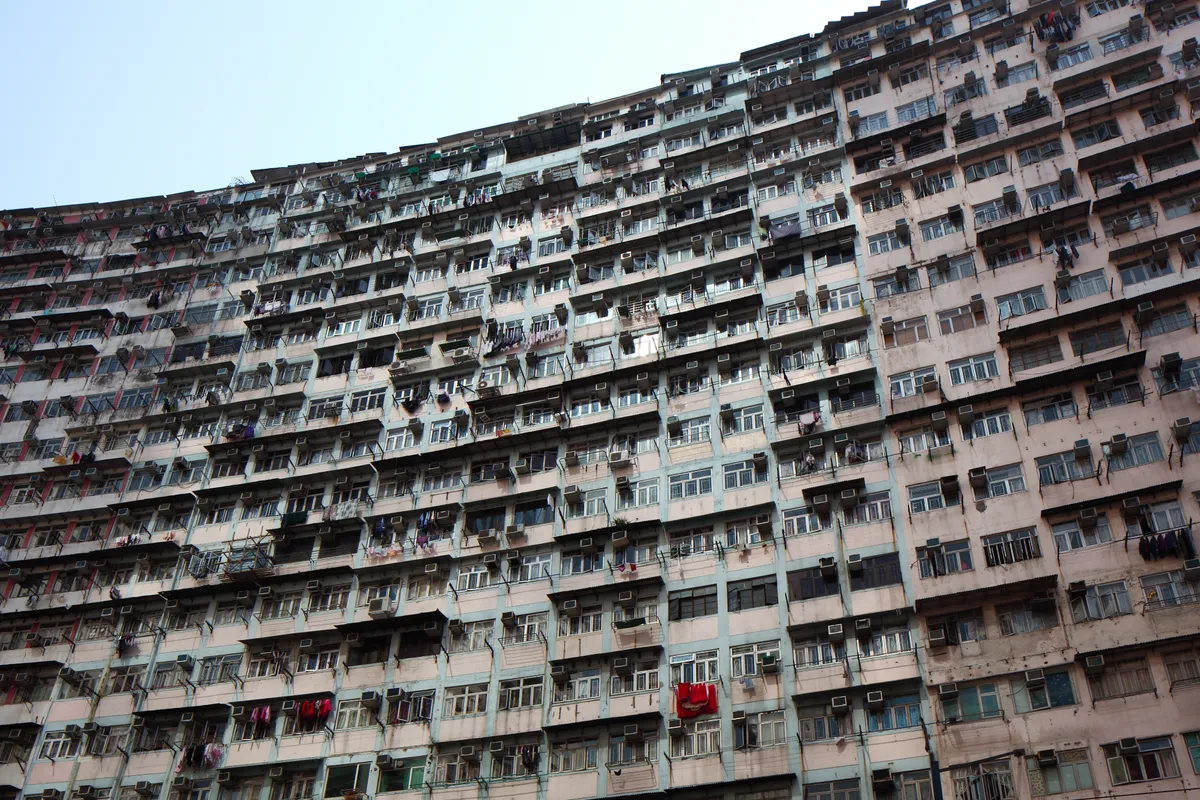
However, following recent unauthorized building works scandals such as those at Redhill Peninsula, the inspection mode of the Buildings Department has been continuously upgraded. Relying solely on the defense strategy of "search results" is no longer sufficient. Below is an objective analysis of the unauthorized building works inspection mechanism under technology-assisted enforcement, as well as practical defense strategies that buyers must be aware of before entering the market.
1. Combining Law and Technology: Why Should You Pay for the Previous Owner's Violations?
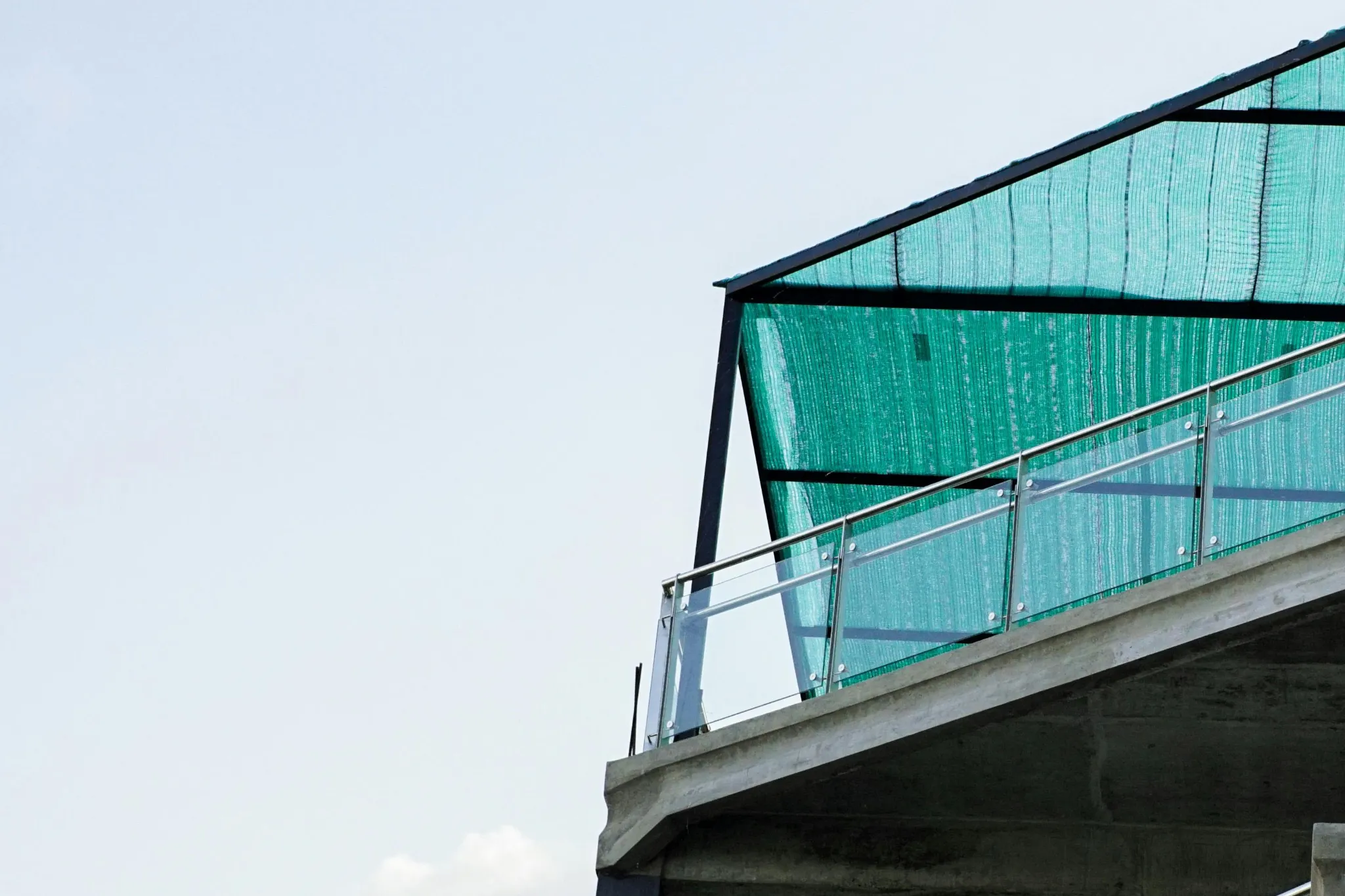
- Liability Transfers with Title: According to the Buildings Ordinance, the legal responsibility for demolishing unauthorized building works is attached to the property's "title." Even if the unauthorized structure (e.g., rooftop glass house, enclosed garden, or even oversized balcony) was built by the previous owner or even earlier owners, generally, the Buildings Department will still issue a demolition order to the current owner, who must bear the cost of demolishing it and restore it to the approved plan condition.
- Technology Enhances Detection Efficiency: In recent years, the Buildings Department has gradually introduced drone photography and digital plan comparison technology. This means that unauthorized structures on external walls or rooftops that were previously undetected due to their "hidden location" are now at significantly higher risk of being discovered.
2. Practical Risk Considerations
Even if the search results on the date of signing the provisional sale and purchase agreement show "clean," buyers still face the following two major practical risks:
- Landmine One: The "Time Gap" Window Between Enforcement and Caveat After the system identifies potential unauthorized structures or receives complaints, the Buildings Department follows up, issues statutory orders, and registers them with the Land Registry (i.e., formal caveat). This administrative process takes several weeks to several months. If a buyer purchases the property during the window when the government has already detected and is preparing to issue a letter but has not yet formally registered the caveat, the search records cannot immediately reflect this hidden risk.
- Landmine Two: Bank Valuation Interception and "Loan Withholding" Even if the property is not formally caveated, when a buyer applies for a mortgage, the surveyor commissioned by the bank will generally arrange a site inspection (especially for special units). If obvious unauthorized structures are found, banks in practice adopt a conservative approach:
- Mortgage Rejection: If there are serious structural alterations, the loan may be refused.
- Loan Withholding: The bank may approve the mortgage but will forcibly withhold an "estimated demolition and restoration cost" from the loan amount. The buyer must first use their own funds to demolish the unauthorized structures. Only after verification will the bank release the withheld amount, causing a sudden budget shortfall for the buyer.
3. Buyer Defense Strategy: 3-Step Self-Protection Plan Before Purchasing Special Units
To protect their rights and overcome the potential disadvantages of "as-is" sales, prospective buyers are advised to take the following defensive measures before placing a deposit:
- Step 1: Proactively Check the "BRAVO" System Do not rely solely on brochures or floor plans provided by real estate agents. Buyers should personally or through professionals log into the Buildings Department's "BRAVO" system, pay to download the latest approved building plans of the property, and personally compare the current condition of the unit (especially balconies, rooftops, and kitchen load-bearing walls) to check for obvious deviations or unauthorized structural alterations.
- Step 2: Include Specific Protection Clauses in the Contract Second-hand property sales usually include an "as-is vacant possession" clause. With mutual agreement, buyers can ask their solicitor to include specific clauses in the sale and purchase agreement: for example, stating that if a demolition order is received from the Buildings Department before the completion date, the seller must bear the related demolition costs, or the buyer has the right to cancel the transaction and get the deposit back. In practice, this depends on the bargaining power of both parties.
- Step 3: Arrange a Surveyor's Site Inspection For special units of higher value, which have undergone extensive renovations or complex alterations, buyers may consider hiring a professional building surveyor at their own expense for a site inspection before signing the formal contract. This provides a professional assessment of the unit's compliance status and potential restoration costs.
📌 Frequently Asked Questions (FAQ)
Q1: The agent said the rooftop glass house has been there for over ten years and the government has "tacitly approved" it and won't take action. Is that true?
This is a common misconception. Hong Kong law does not have a "statute of limitations" or "tacit approval" provision for unauthorized building works. As long as the structure has not been approved by the Buildings Department, regardless of how many years it has existed, the Buildings Department still has the authority to take enforcement action and order its demolition.
Q2: If the unit is caveated, will the buyer definitely be unable to get a mortgage?
Not necessarily; it depends on the severity of the unauthorized works. For minor violations (e.g., air conditioner supports, small canopies), some banks may make a slight deduction in the valuation or require the buyer to sign an "undertaking to bear demolition responsibility" and may still approve the mortgage.
Q3: If I receive a demolition order from the Buildings Department after completion, can I claim from the previous owner?
Generally, it is difficult to claim. Second-hand property transactions are usually governed by the "as-is" clause in the contract. Unless you can provide solid evidence that the seller made intentional misrepresentations during the transaction or there are specific protective clauses in the contract, after the property transaction is completed, all demolition costs and legal liabilities are usually borne by the new buyer.