

Table of Contents
Hong Kong's New Elderly Care Policies
🎧 Listen to this article
0:000:00
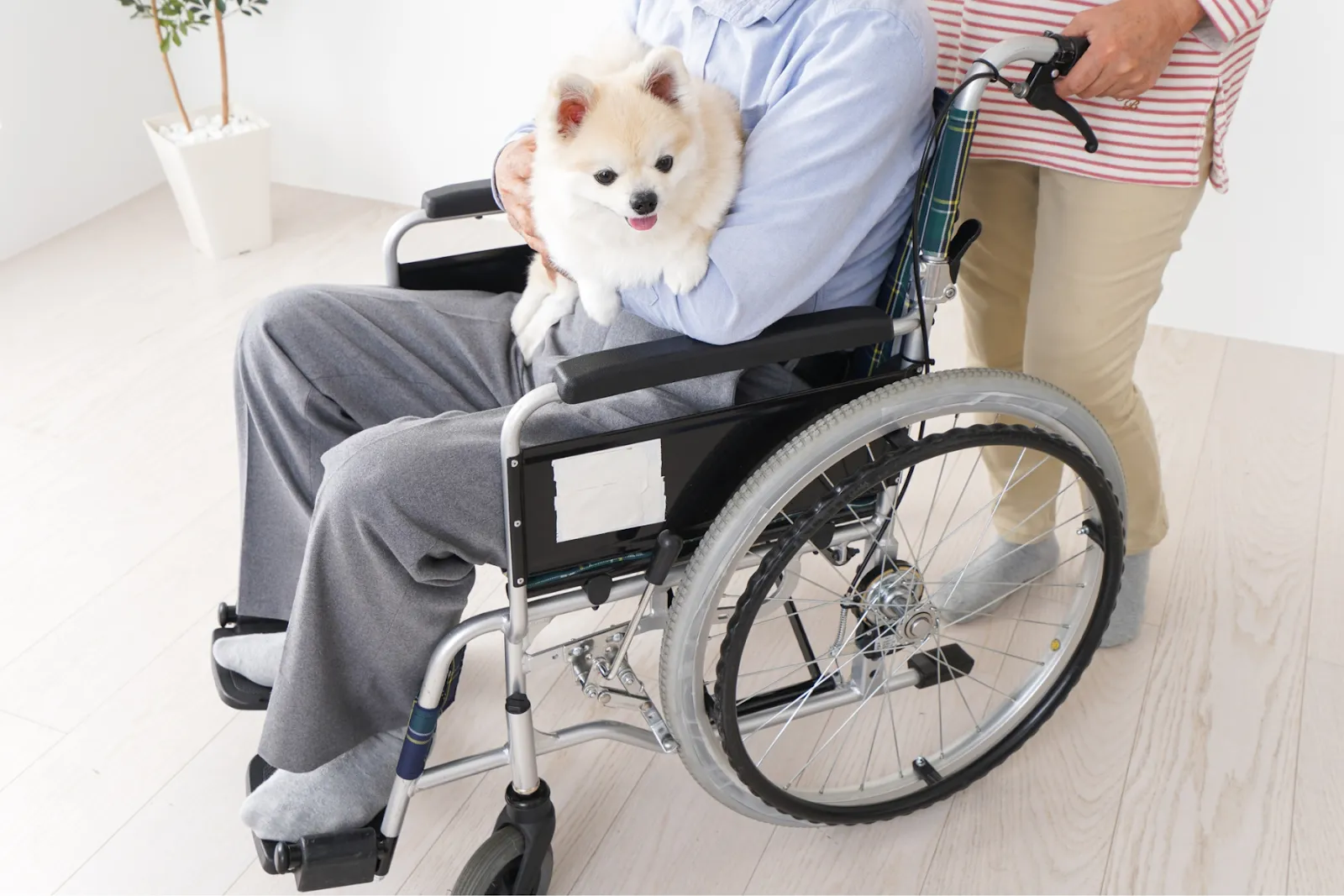
Hong Kong is rapidly aging, with the population aged 65 or above expected to account for over 30% of the total. This year's Policy Address proposes a series of expansion and optimization measures in the two major sections of "Elderly Care" and "Medical Health": from community services for aging at home to cross-border elderly care arrangements in Guangdong; from accelerating public healthcare to the regular allocation of resources for elderly caregivers, and establishing a "Task Force on Social Aging Countermeasures" to coordinate cross-bureau strategies. Check out the 4 major elderly benefits now!
1. Aging at Home and Residential Care: Boosting Capacity and Network
- Elderly Community Care Service Vouchers +4,000 to 16,000: Supporting home care, day care, and home-based services.
- Additional 3 Elderly Neighbourhood Centres: Enhancing local support coverage, including exercise, cognitive training, meals, and social worker referrals.
- Residential Care's "Backup" Function: Adding approximately 700 subsidized places, Residential Care Service Vouchers also increased by 1,000 to 7,000; simultaneously, subsidizing staff training in residential care (healthcare workers pursuing a "Nursing Health Practitioner" professional diploma) to alleviate manpower bottlenecks and improve care quality.
2. Greater Bay Area Retirement: More Choices and Smoother Transitions
- "Guangdong Residential Care Services Scheme" expanded to 24 homes, covering 8 cities: Elders living closer to their children in the Greater Bay Area now have more eligible options.
- Guangdong Retirement Pilot Scheme: To be implemented by the end of the year, subsidizing CSSA elders choosing to retire in Guangdong for stays in designated homes; $5,000 per person per month, with a quota of 1,000.
3. Medical Speed-Up: Faster Consultations and More Accessible Treatment
- New patient waiting times for surgery have been shortened by approximately 10 weeks; a new high-flow daytime cataract surgery center has been added to reduce surgery waiting and recovery times.
- Family medicine clinics have expanded preventive screening and care, and the extended service hours are gradually being regularized; a "Chronic Disease Co-management Platform" and a hepatitis B screening pilot have been launched; three district health centers have expanded their services, accelerating progress toward the goal of establishing health centers in all 18 districts.
- Traditional Chinese Medicine and Common Elderly Diseases: Hong Kong Chinese Medicine Hospital will begin phased operations starting in December, with the first year focusing on providing specialized TCM services for age-related degenerative diseases and post-stroke rehabilitation, promoting collaboration between Chinese and Western medicine.
4. Elderly Owner "Flat for Flat" Scheme
- Eligible Applicants: Owners aged 60 or above, who have held subsidized sale flats for at least 10 years (specific eligibility is subject to final determination by the Housing Authority).
- Operational Arrangements: They can first sell their current flat in the Subsidized Housing Secondary Market; then, purchase another subsidized flat that is smaller in size or located in outer areas, without paying a land premium.
- Policy Benefits: Through "large to small / near to far" exchanges, part of the property value is converted into usable cash flow, while releasing units in urban areas or larger-sized flats, enhancing housing turnover and benefiting families in need.