
Table of Contents
How to Save HK MTR Fares? Route Maps, Shops, Discounts Guide
🎧 Listen to this article
The Hong Kong MTR is one of the most efficient transportation systems in the world, featuring 9 main subway lines and several connecting lines, including the Airport Express and Light Rail, covering the city's major areas and tourist attractions. Whether heading to the shopping paradise of Tsim Sha Tsui or exploring the historic Central, the MTR is your best choice.

This article will provide comprehensive information about the Hong Kong MTR, including its route maps, station facilities, and a guide to nearby shopping and entertainment facilities, ensuring you can easily navigate Hong Kong.
Introduction to Hong Kong MTR Routes
The MTR has multiple routes that span Hong Kong's most important business districts and tourist attractions, connecting Hong Kong Island, Kowloon, the New Territories, and the airport. The most popular routes include the Tsuen Wan Line, Kwun Tong Line, and Tseung Kwan O Line, each encircling Hong Kong's core, conveniently and quickly bringing you to your destination.
Hong Kong MTR Route Map: At a Glance
The most direct tool to quickly understand the MTR network is the MTR route map. Each station is clearly marked and color-coded to help identify different routes.
The main MTR lines in Hong Kong are nine in total, including:
- Island Line (Blue)
- Tsuen Wan Line (Red)
- Kwun Tong Line (Green)
- East Rail Line (Light Blue)
- Tseung Kwan O Line (Purple)
- South Island Line (Lime)
- Tuen Ma Line (Brown)
- Tung Chung Line (Orange)
- Disneyland Resort Line (Pink)
Additionally, there are four other lines displayed that represent the Airport Express, Light Rail, High-Speed Rail, and Shenzhen Metro network stations in Hong Kong.
Tips for Using the Hong Kong MTR
- Avoid peak hours: 8 am to 9 am and 5 pm to 6 pm are the most crowded times on the subway. Plan your trips to avoid these periods.
- MTR offers an Early Bird discount: Monday to Friday (excluding public holidays), from 7:15 am to 8:15 am, adults using Octopus at designated urban stations enjoy a 25% fare discount. This discount can also be combined with other promotions.
- Free Wi-Fi service: Most MTR stations offer free Wi-Fi, with each device allowed 5 free sessions per day, each lasting 15 minutes.
- Download the MTR official app: The Hong Kong MTR APP is available for download on iOS or Android phones.
- Quick navigation by following instructions: Simply use the MTR Mobile app on your phone, or pay attention to the signs at station entrances and platforms.
Ticket Purchase and Octopus Card
Tourists in Hong Kong can choose between single-journey tickets or purchase a one-day pass, the latter offering tourists the convenience of unlimited subway rides for 24 hours. In addition, the Octopus card is not only applicable to the subway but can also be used for buses, ferries, and other public transport, making it a favorite among tourists and local residents.
The MTR fare is determined by the distance between the passenger's departure and arrival stations. The adult single-journey ticket fare ranges from HK$4.0 to HK$61.5, and the concessionary single-journey ticket fare ranges from HK$1.5 to HK$30.5. Concessionary Tickets are available for children aged 3 to 11 and senior citizens aged 65 or above.
Here are the single-journey ticket fares for some common routes:
- Hong Kong Station to Kowloon Station: Adult HK$4.0, Concessionary HK$1.5
- Hong Kong Station to Central Station: Adult HK$5.5, Concessionary HK$2.5
- Hong Kong Station to Tsim Sha Tsui Station: Adult HK$6.0, Concessionary HK$3.0
- Kowloon Station to Mong Kok Station: Adult HK$4.5, Concessionary HK$2.0
- Kowloon Station to Prince Edward Station: Adult HK$5.0, Concessionary HK$2.5
- Central Station to Tsim Sha Tsui Station: Adult HK$5.0, Concessionary HK$2.5
The MTR is Well-Connected and Full of Restaurants
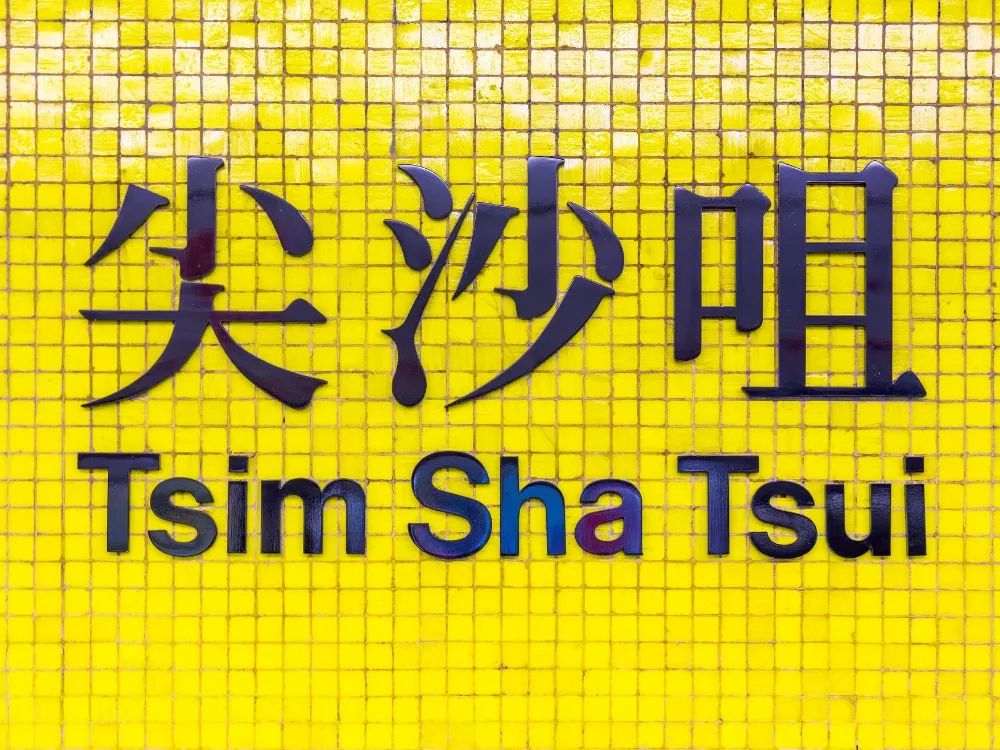
Many MTR stations have shops and restaurants, such as Elements at Tsim Sha Tsui Station and Pacific Place at Admiralty Station, providing a perfect environment that combines shopping and leisure.
Tsuen Wan Line (Red): Connects Central on Hong Kong Island to Tsim Sha Tsui in Kowloon, passing through multiple shopping and business districts, with Tsim Sha Tsui Station directly leading to the famous Victoria Harbour and Harbour City Shopping Center.
Island Line (Blue): Runs along the north shore of Hong Kong Island, connecting several important commercial and cultural spots, including Central, Causeway Bay's Times Square, etc.
FAQ: Life in Hong Kong with Convenient Transportation
Q1: How can I quickly find my destination with the MTR?
A1: Easily find the needed lines and stations using the MTR Mobile app or the interactive guides in the stations.
Q2: What facilities are available at the nearest MTR station?
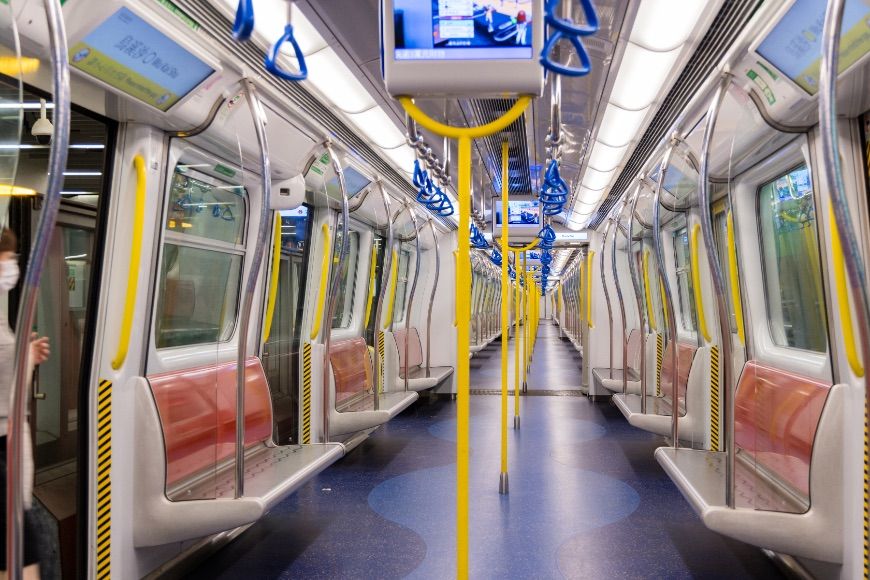
A2: Most MTR stations are equipped with restaurants, shops, ATMs, and restrooms, with larger stations also having shopping centers and entertainment facilities.
Q3: Where is the most convenient place to live in Hong Kong?
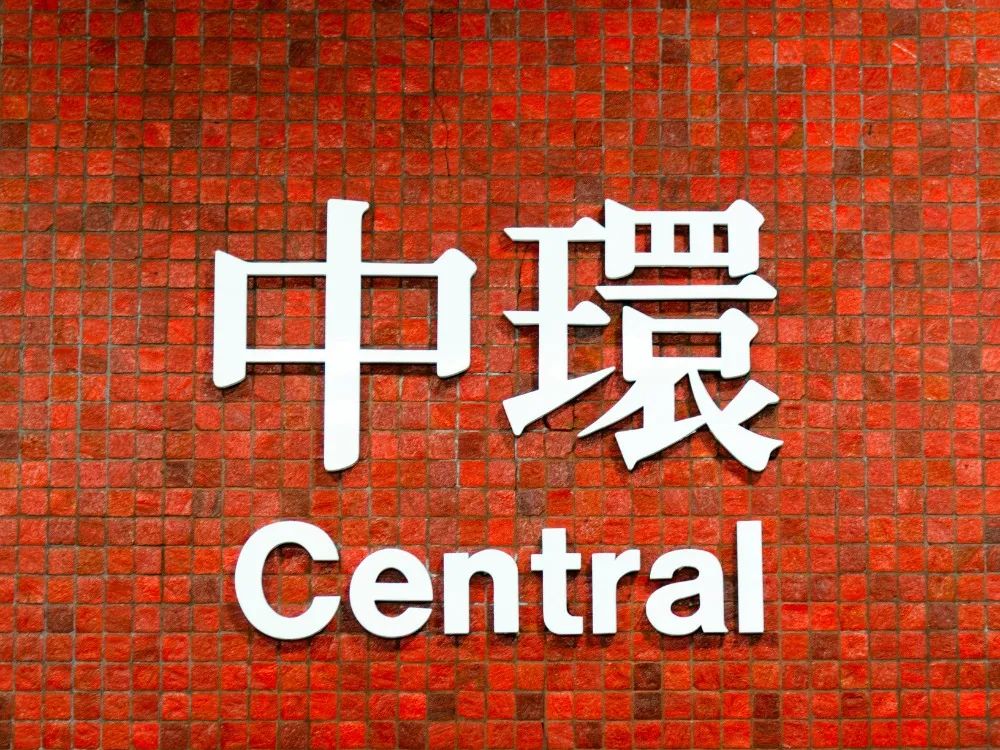
A3: Hong Kong's transportation is highly developed, especially the MTR network that spreads across the island. Here are some areas with convenient transportation: Central: multiple MTR lines intersect, with bus and ferry services; Causeway Bay: shopping district, connected by the MTR Island Line; Mong Kok: several MTR lines intersect, a busy commercial and residential area.
Q4: How to find a rental in Hong Kong?
A4: The LetGetHome platform offers a convenient, transparent choice for renting, pioneering a pay-as-you-go rental service, abandoning the high commission model, and facilitating commission-free renting for landlords and tenants. Sign up now, explore a new way of rentals in Hong Kong.