

Table of Contents
Landlord-Tenant Issues: Subletting
🎧 Listen to this article
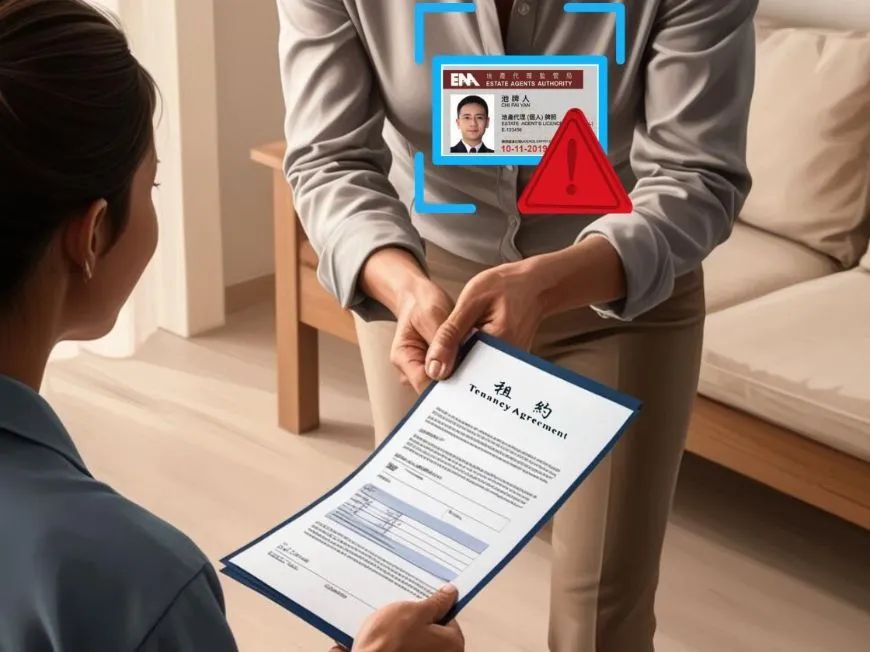
If a tenant sublets the property without the landlord's consent, it not only violates the terms of the lease but may also damage the landlord's interests and the condition of the property. Therefore, landlords must understand how to protect their rights. At the same time, tenants should be aware of their responsibilities during the subletting process and the legal consequences they may face.
Does Subletting Constitute a Breach of Contract?
Whether subletting constitutes a breach of contract depends on the specific terms outlined in the lease agreement. If the lease clearly prohibits the tenant from subletting without the landlord's written consent, subletting without approval is a violation of the lease. Typically, the lease will contain clauses that forbid subletting or transfer of the lease (subleasing), in order to protect the landlord's control over the property.
Under What Circumstances Can a Tenant Legally Enter into a Subletting Agreement with a Subtenant?
According to Hong Kong's Landlord and Tenant (Consolidation) Ordinance, tenants may lawfully enter into a subletting agreement under certain conditions, which must meet the following requirements:
- Landlord's Consent: The most crucial point is that the tenant must obtain written consent from the landlord. Most leases specify that tenants must obtain the landlord's approval before subletting the property. If the lease explicitly prohibits subletting, the tenant is not allowed to proceed.
- Compliance with the Master Lease Terms: The subletting agreement must comply with the terms of the master lease. The tenant cannot grant rights to the subtenant that exceed what they themselves hold under the master lease. For example, if the master lease restricts the rental term to one year, the tenant cannot sublet the property for a period longer than that specified in the master lease.
- Legal Use: The subletting must be for legal purposes. The tenant cannot use the property for illegal activities or unlawful purposes. If the subletting involves illegal activities, the landlord has the right to terminate the lease.
- Adherence to Lease Procedures: The tenant must follow the procedures stipulated in the lease before subletting. If the lease requires written notice and the submission of subletting details, the tenant must comply. Additionally, tenants should, as much as possible, provide a copy of the master lease to the subtenant to ensure the legality of the subletting agreement. If the master lease is invalid or terminated, the rights under the subletting agreement are also invalidated. Even if the subtenant is not in breach, they will not have the right to occupy or own the property and must return it to the landlord or relevant party.
How Should a Landlord Protect Their Rights When a Tenant Sublets Without Consent?
The landlord's primary responsibility is to protect their rights under the lease agreement. First, the landlord should be familiar with the subletting clauses in the lease to ensure that these provisions clearly prohibit or restrict subletting. If the tenant violates these terms, the landlord has clear grounds to take action.
What Should a Landlord Do Once Tenant Non-Compliance is Confirmed?
When a landlord discovers that a tenant has sublet the property without approval, they should first review the relevant terms in the lease to confirm if subletting is explicitly prohibited. If the tenant is found in breach of the subletting clause, the landlord may enforce their rights to repossess the property or confiscate the leasehold. The landlord should first issue a written warning to the tenant, demanding that they cease the violation and clearly outline the consequences (such as terminating the lease). If this does not resolve the issue, the landlord may apply to the Lands Tribunal for a “Recovery Order” and submit a notice (Form 22) in accordance with the Hong Kong's Landlord and Tenant (Consolidation) Ordinance.
Rent with LetsGetHome
As a landlord, preventing and addressing the issue of tenants subletting property without consent is a critical matter that requires careful attention. Reaching a mutual understanding with tenants and ensuring that the lease clearly outlines subletting terms can effectively avoid potential disputes and maximize protection for both parties.If you are currently looking for rental properties in Hong Kong, LetsGetHome rental platform is an excellent choice. The platform provides assisted rental services, with professional licensed consultants to guide you through property listings, viewings, negotiations, and lease agreements, ensuring a more secure and seamless experience.