

Table of Contents
Shoe Cabinet Rules: Common Area Violations Explained
🎧 Listen to this article
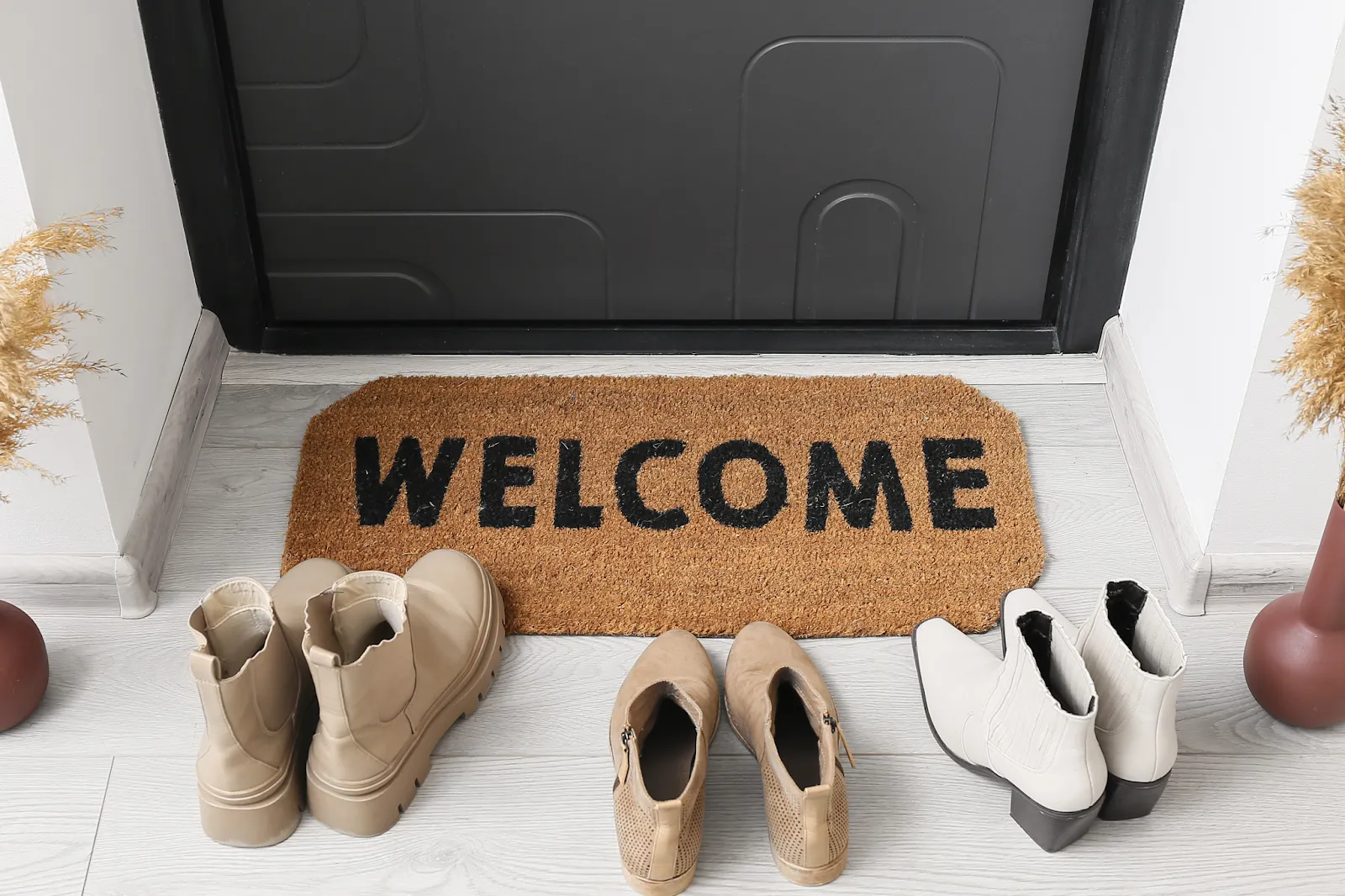
Why are only I being warned when my neighbor also has items placed outside?
Most housing estates adopt a "complaint-driven" approach to handling such matters:
- No complaint → The management office may not actively enforce the rules
- There is a complaint → They must follow up and issue a warning
So, seeing "others are also doing it" does not mean you are not at fault; it only means no one has complained about them yet.
In practice:
- "Others are also violating the rules" is not a valid defense
- It is usually not targeted at an individual but rather a procedure being initiated
Isn't the area right outside my door considered my private space?
No. Once you step out of your unit's door, the corridor is considered a common area and does not belong to any individual unit.
Even if:
- The shoe cabinet is placed right against your own door
- It does not cross the center line
- It does not affect your neighbor's access
What you have is the "right of passage and use," not the "right of private occupation."
Simply put:
- You can pass through
- You cannot place personal items there long-term
The shoe cabinet is very thin and doesn't block the fire escape. Why is it still considered a violation?
Because the management office enforces not just fire safety standards but also the housing estate's own regulations.
Many building deeds explicitly state: No personal items are allowed in the corridor.
Therefore, even if:
- It is not dangerous
- It does not obstruct others
- It is very thin
- It is very tidy
If the clause says "not allowed," then it is not allowed.
Can the management office directly throw away my shoe cabinet?
They generally will not "throw it away" immediately, but they have the right to:
- Remove the shoe cabinet
- Temporarily store it
- Charge the resident fees
Common procedure:
- Issue a warning letter, giving a deadline for self-removal
- If not handled by the deadline
- The management office sends personnel to remove it
- Store it at a designated location
- Charge the resident for removal and storage fees
If the situation escalates:
- It may be handed over to a lawyer by the Owners' Corporation
- Legal fees will be added to that unit's management fee account
If you are a tenant:
- The landlord may deduct the amount from your deposit
- Or even use it as grounds to terminate the lease
What is the most practical way to handle this?
The most practical answer: Move the shoe cabinet back inside your unit as soon as possible
Because:
- The clauses are usually not favorable to corridor occupation
- Resisting will only increase costs
- Small issues can easily become big problems
Recommended approach:
- Remove it yourself before the deadline
- Reorganize indoor storage (tall shoe cabinets, wall-mounted storage)
- Avoid trying to find out who complained to reduce neighbor conflicts
Placing a shoe cabinet outside your door is convenient for you, but under the management system, the risk actually falls on the resident.
FAQ
Q1: Is placing a shoe cabinet outside the door illegal in Hong Kong?
It is not necessarily a criminal offense, but it often violates the housing estate's Building Deed, constituting a management violation, and you may be required to remove it.
Q2: Can the management office remove the shoe cabinet without prior notice?
They generally issue a warning letter first and give a deadline. If not handled by the deadline, the management office has the right to remove it and charge fees.
Q3: If a tenant places a shoe cabinet and receives a complaint, who is responsible?
Legal action is usually taken against the unit owner, but the owner can seek reimbursement from the tenant according to the lease agreement.
Q4: Can baby strollers or umbrella stands be placed at the doorway?
The principle is the same. If it is a common area, placing personal items there without approval may violate the building deed.