
Table of Contents
The Four Major Myths Surrounding "Basic Housing Units"
🎧 Listen to this article
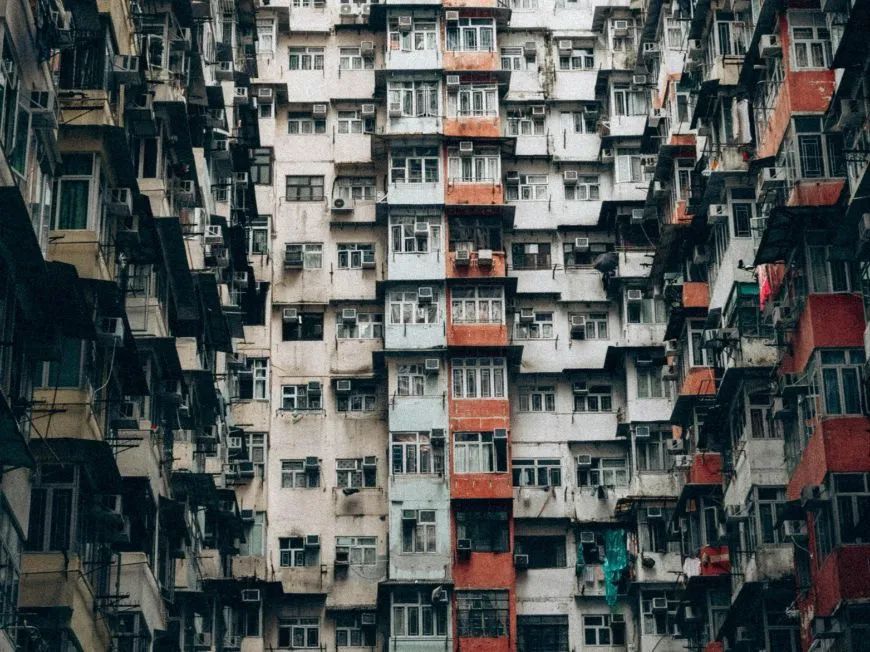
With the Hong Kong government introducing a new framework for "Basic Housing Units" (BHUs) (簡樸房) in its latest Policy Address, the implications of this initiative are poised to significantly affect both subdivided unit (SDU) owners and tenants. The administration plans to legislate this proposal next year, with the registration process set to commence in the fourth quarter. The aim is to enhance the living conditions of existing SDUs. Within four years, the government intends to gradually phase out non-compliant SDUs, estimating that over 30,000 units will require renovations to meet the new residential standards. The potential ramifications of this regulation, particularly regarding enforcement against substandard units, have drawn considerable public attention. Below are four key questions and answers designed to clarify the specifics of this policy and its anticipated effects.
What Constitutes a "Basic Housing Unit"?
According to government guidelines, "Basic Housing Units" must adhere to specific minimum standards, including a floor area of at least 8 square meters, a ceiling height of no less than 2 meters (under beams), and a floor-to-ceiling height of at least 2.3 meters. Each unit must feature at least one window, mechanical ventilation, an independent toilet, an exhaust fan, and certified water and electricity meters.
Why Is Registration Necessary? What Are the Consequences of Non-Registration?
The government aims to initiate the registration process in the fourth quarter of 2025, with a proposed duration of 12 to 18 months. If existing SDUs meet the minimum living standards but remain unregistered and uncategorized, they may be classified as "illegally rented" as early as the second quarter of 2027. Owners who fail to comply by the conclusion of the grace period may face stringent penalties, including fines or imprisonment for up to two years. These measures are intended to ensure that all rental units adhere to fundamental safety and hygiene standards, thereby protecting tenant rights.
What Should Tenants Do If Their Units Fail to Meet Minimum Standards?
For tenants residing in units that do not comply with the minimum standards, those who signed leases prior to the enactment of the new law may vacate the premises upon lease expiration. Conversely, tenants who sign leases after the law takes effect are entitled to terminate their agreements prematurely. If construction necessitates tenant relocation, or if a unit is deemed unfit for rental, landlords or sublessors are obligated to fully refund the security deposit.
How Should Subdivided Unit Owners Respond to Ensure Their Rentals Are Not Affected?
As an owner, the initial step is to ascertain whether your unit meets the minimum standards for "Basic Housing Units." If it does not, it is advisable to promptly initiate renovation plans to ensure that all necessary modifications are completed within the two-year grace period. This proactive approach will help mitigate legal risks and ensure your property remains eligible for rental.
Additionally, owners must pay careful attention to the registration requirements. All compliant "Basic Housing Units" are required to undergo the registration process as stipulated by government regulations. It is crucial to complete this registration within the designated time frame to avoid having your rental unit classified as illegal.