

Table of Contents
Will Installing CCTV at Home Violate Privacy Laws?
🎧 Listen to this article
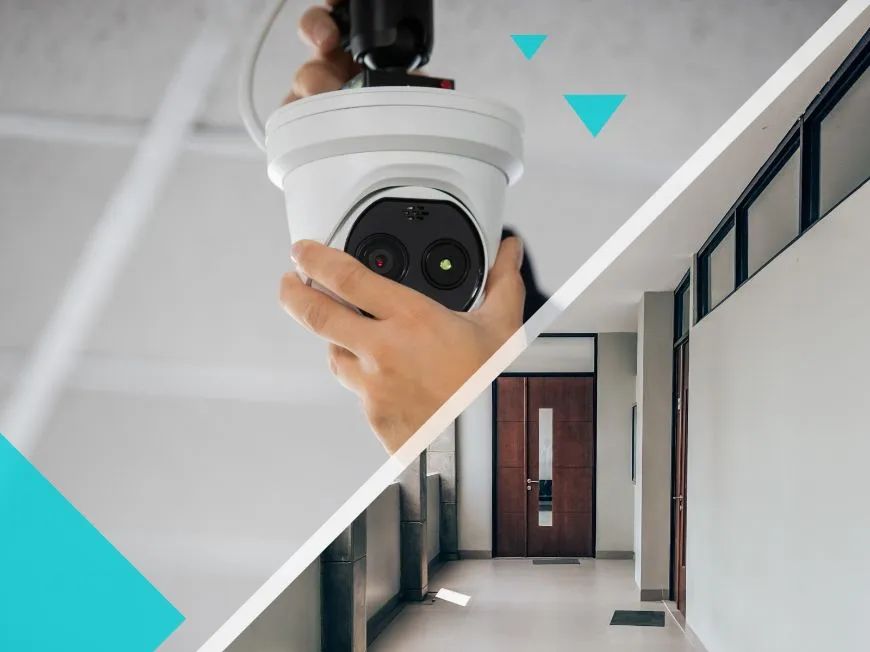
With rapid technological advancements, Apple plans to launch a new generation of smart home products in the first half of 2025, featuring Face ID technology that allows users to unlock doors using facial recognition. This innovative technology is set to revolutionize home security, but it also raises concerns regarding privacy and legal regulations, particularly in relation to how the installation of cameras and Face ID technology might interact with Hong Kong's privacy laws.
Will Installing Your Closed-Circuit Television (CCTV) Systems at Home Violate Privacy Laws?
According to the Personal Data (Privacy) Ordinance (Cap. 486), the protection of privacy covers personal data. If a camera installed at the door captures areas beyond one's private property and unintentionally records the private activities of others (such as passersby or neighbors), this could potentially violate privacy laws.
The Privacy Commissioner reminds users of CCTV or smart doorbell systems to ensure the following:
- CCTV should not be installed in areas where others expect privacy.
- Ensure that the data from the CCTV is not accessed without authorization.
- Affected individuals should be aware of how they are impacted by the smart doorbell, its installation purpose, and should be able to inquire with the homeowner about the situation.
- Data collected should be deleted as soon as possible if there is no need to retain it.
- Regularly review the security and effectiveness of the CCTV.
Is It Legal to Install Cameras in Public Housing?
According to regulations of the Housing Department, residents are not allowed to install closed-circuit television (CCTV) systems in public spaces such as hallways or stairwells of public housing. Installing cameras within private living areas must comply with the Personal Data (Privacy) Ordinance to ensure no privacy violations of other residents.
How Will Apple’s Face ID Technology Address Privacy Concerns?
Apple has emphasized its commitment to privacy in its products, especially regarding Face ID technology. According to Apple, Face ID data is encrypted end-to-end, and all facial data is stored locally on the device, not uploaded to Apple’s servers. This design significantly reduces the risk of data leakage. However, users should be aware that if devices are connected to the cloud or other devices, there may still be a certain risk of data exposure.
As smart home technologies evolve, Apple’s Face ID unlocking feature and camera installations offer new options for home security. However, the associated privacy concerns and legal risks should not be overlooked. Consumers should understand and comply with relevant laws and regulations when using these technologies to protect privacy rights.