
Table of Contents
AC Cleaning Guide: Myths & Best Time to Clean
🎧 Listen to this article

Key Takeaways:
- Maintenance and Repair Are Different:Air conditioner cleaning is a form of regular care that can restore airflow and air quality; if it still isn't cold enough after cleaning, it is usually a mechanical fault such as a refrigerant leak or damaged parts, which requires separate repair.
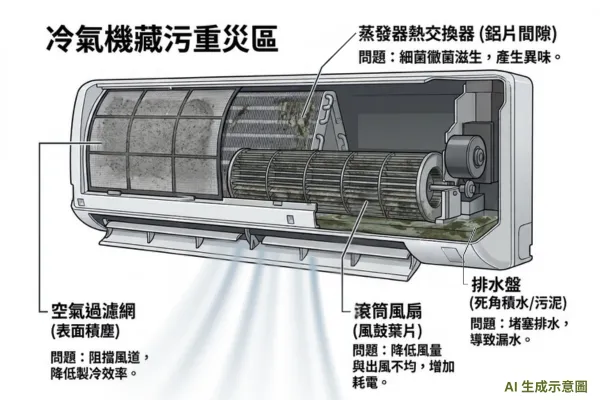
- Dirt-Hiding Structure Inside the Air Conditioner:In addition to the dust filter, the cooling coil, condenser, blower wheel (squirrel-cage fan), and drain pan are all prone to accumulating dust and mold, and the humid environment when the unit is switched off makes it even easier for allergens to breed.
- Self-Check Mold Indicators:Shine a flashlight into the air outlet; if you find black spots of mold on the blower wheel or the edge of the air outlet, it means the interior is already seriously moldy, and the cold air blown out will carry bacteria.
- Best Time to Clean:It is recommended to deep clean at least once a year, with the best time being the transition between spring and summer; for units that run for long periods or in humid environments, twice a year is recommended, which can save 15%–30% of electricity.
Air Conditioner Cleaning Guide | Debunking Maintenance Myths and the Best Time to Clean
The air conditioner is an indispensable home appliance for every Hong Kong household. However, many people, right after having their air conditioner cleaned, encounter various unexpected questions: "Why is my air conditioner still not cold enough after cleaning?", "How often does an air conditioner really need a deep clean?", and even "How can I normally check whether my air conditioner has gone moldy?"
These questions do not mean something went wrong with the cleaning process; they stem from confusion between the concepts of daily air conditioner care and mechanical repair, as well as a lack of understanding of the air conditioner's internal structure. "Decorator" has specially launched the [Complete Air Conditioner Cleaning Guide Series] to analyze common myths about air conditioner cleaning and everyday inspection tips, helping everyone create a healthier and more comfortable home environment.
1. Still "Not Cold Enough" After Cleaning? Was the Cleaning in Vain?
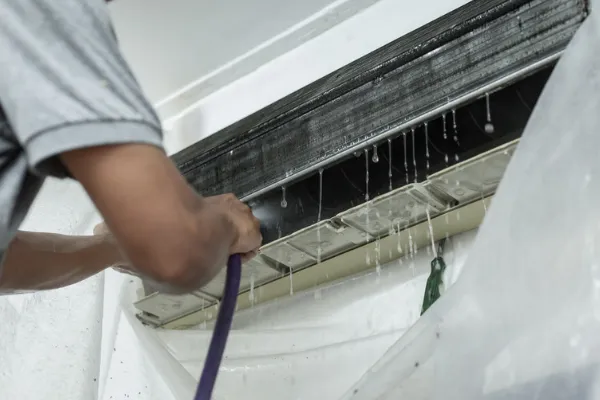
Many homeowners find that the cooling performance is less than ideal after cleaning their air conditioner and often mistakenly assume the cleaning process was useless. In fact, "air conditioner cleaning and maintenance" and "mechanical fault troubleshooting" are fundamentally different in function and in what they address.
1. Air Conditioner Cleaning (Regular Maintenance)
The main purpose of cleaning is to remove accumulated dust and mold. When the dust filter, evaporator (cooling coil), and blower are restored to a clean state, it can significantly increase airflow, eliminate musty odors, and allow air to pass through more smoothly, making the cooling process more efficient.
2. Air Conditioner Repair (Fault Troubleshooting)
If the air conditioner still cannot cool down after airflow has been restored, the problem is usually abnormal operation of mechanical parts. Common causes include:
- Insufficient or leaking refrigerant:The sealed integrity of the refrigerant system is compromised, preventing normal heat exchange.
- Aging parts or damaged capacitors:Failure of the starting capacitor prevents the compressor or fan motor from operating normally.
- Compressor failure:Overheating protection tripping of the core component or internal mechanical wear.
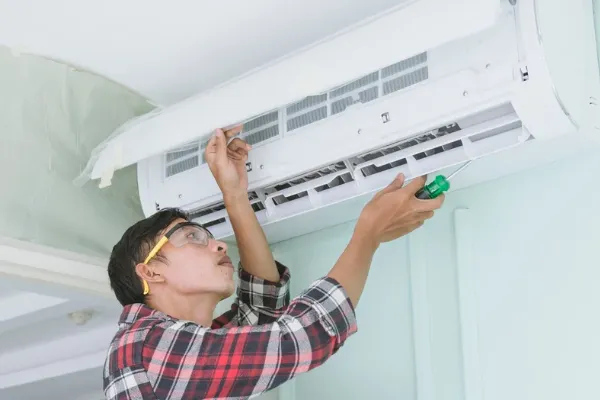
Friendly Reminder:Regular cleaning is a "health check and maintenance" for the air conditioner. If it still doesn't cool after operation, it is recommended to arrange for a professional technician to carry out a detailed mechanical inspection and independently troubleshoot potential faults.
2. Which Parts Inside the Air Conditioner Are Most Prone to Dirt? How to Determine When to Clean?
When the unit is switched off, the internal temperature rises, and combined with Hong Kong's humid climate, residual moisture and dust easily breed bacteria and mold. If left untreated for a long time, this directly affects indoor air quality.
Parts inside the air conditioner prone to dust accumulation:
Self-Check for Cleaning Timing
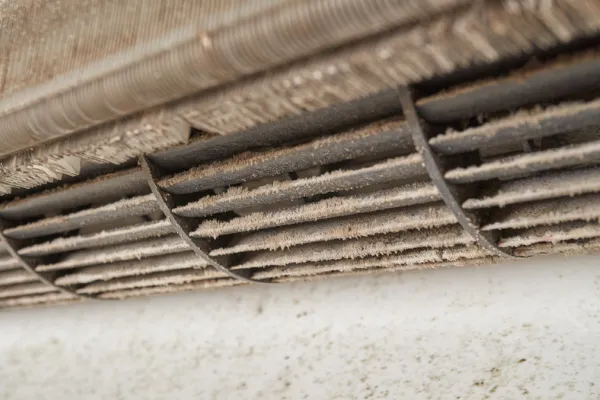
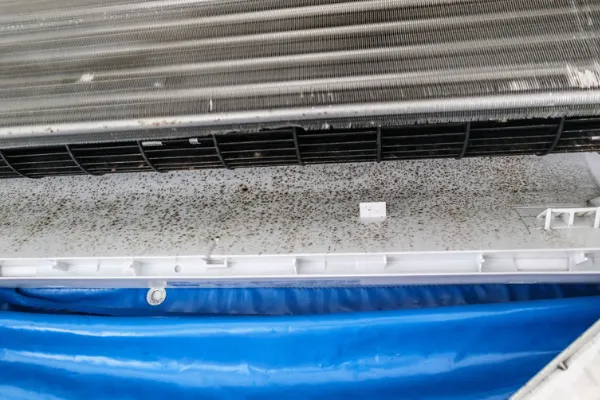
- Observe the cooling coil:Open the dust filter and look at the metal fins behind it (the coil). If the surface is no longer pure silver and has obvious stains, it means dust has obstructed heat exchange and affected cooling efficiency.
- Check the air outlet and blower:Shine a flashlight into the air outlet and observe the blower wheel and air duct inside. If you find black spots of mold on the edge of the air outlet or on the blower wheel, it means the interior of the air conditioner has gone moldy, and every gust of air blown out will carry allergens and bacteria, at which point a deep clean is needed.
3. How Often Should an Air Conditioner Be Cleaned? When Is the Best Time?
Many people are used to waiting until the air conditioner blows out a musty smell or stops cooling completely before dealing with it, which not only affects respiratory health but also significantly increases electricity consumption. Based on the operating environment and usage habits, the recommended maintenance frequency is as follows:
| Usage Scenario | Recommended Cleaning Frequency | Best Time to Do It |
|---|---|---|
| General household users | At least once a year | At the transition between spring and summer (March to May each year, before frequent use) |
| Households with pets or sensitive individuals | Once every six months | Before switching on in spring and after switching off in autumn |
| Humid/poorly ventilated environments | Twice a year | To prevent environmental humidity from causing severe internal mold |
| Commercial or catering premises | Once every 3–6 months | Scheduled regularly depending on grease and foot traffic conditions |
Why Is Spring the Best Time to Clean?
After a whole summer of operation, a considerable amount of dust has accumulated inside the air conditioner. After it is switched off in autumn, the residual dirt will slowly become moldy in the humid environment. Completing deep care before the large-scale use of the unit each summer ensures that every gust of air delivered when it is switched on is fresh and clean, and it is estimated to improve operating efficiency and save up to 15% to 30% of electricity consumption.
Safeguard Home Air Quality and Keep Your Air Conditioner Running Smoothly
Regularly carrying out comprehensive care for your home air conditioner not only improves indoor air quality and reduces odors and noise, but also enhances operating performance, creating a healthier living environment for your family. If you want to ensure that your home air conditioner receives comprehensive and safe maintenance and need a professional team to carry out deep inspection and care, you are welcome to contact "Decorator".
▶️ Book air conditioner cleaning service
From renovation quotations to before and after moving in, one-stop comprehensive support!
>> Get a free renovation quotation: https://hkdecoman.com/measure
>> Book a home clinic (inspection/cleaning/repair): https://clinic.deco-x.com/
Dedicated zones by housing type:
>> Public housing https://decoman-publichousing.com/
>> Private housing https://decoman-privatehousing.com/
>> First-hand new developments https://decoman-newproperties.com/
>> Tong Lau buildings https://decoman-tenement.com/
================================================================
*** This article is reproduced with the authorization of Decorator ***