
Table of Contents
Ceiling Condensation: Causes and DIY Fixes
🎧 Listen to this article

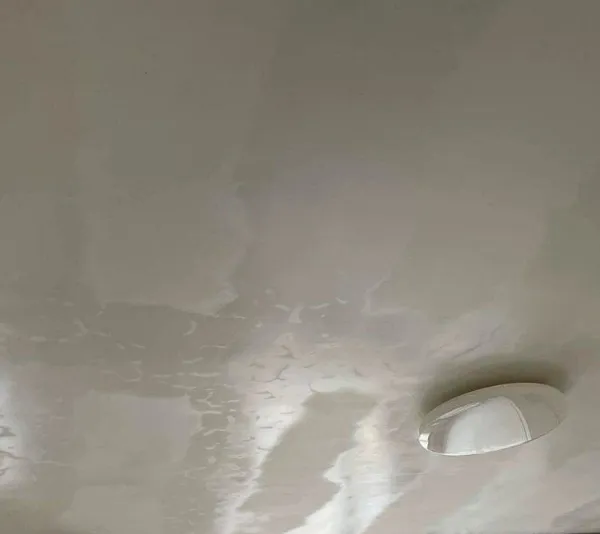
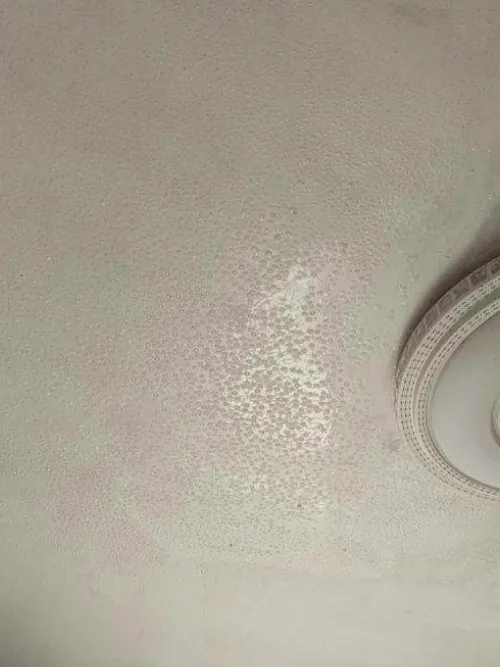
When the summer heat is scorching, everyone turns up their air conditioners to cool down. However, this often leads to various邻里 disputes and household troubles. From time to time, people post online for help, saying that large areas of their ceilings are wet, with condensation dripping like sweat, or even pouring like rain in severe cases. Facing this problem, many people's first reaction is to suspect a water leak from the unit above. In fact, this phenomenon is mostly not "water seepage" in the traditional sense, but a physical phenomenon called "condensation water." Decoration Master provides a detailed analysis of ceiling condensation and offers a self-help guide.
Why does condensation form on the ceiling?
Simply put, condensation is a physical phenomenon that occurs when "warm air meets a cold surface." Just like placing an ice-cold drink on a table on a hot day—within minutes, water droplets appear on the outside of the glass. When the low temperature from the unit above is conducted to the ceiling of the unit below, while the indoor temperature below remains relatively high, the warm, moist air in the room comes into contact with the cold ceiling, and the moisture instantly condenses into dense water droplets. This is not water seeping down from above, but rather the moisture in the air of your own unit condensing on the ceiling.
Online image
Three Main Causes of Condensation
Condensation on the ceiling is usually caused by a combination of the following three factors:
- Insufficient floor thickness: Some buildings have thin floor slabs, which makes it easy for the low temperature from the upper floor to transfer to the ceiling below.
- Excessive indoor-outdoor temperature difference: The upstairs unit blows cold air directly downward onto the floor, cooling the ceiling below, while the indoor temperature downstairs is relatively warmer.
- High environmental humidity: Saturated water vapor in the air easily condenses on cold surfaces. Additionally, if residents open windows immediately after turning off the air conditioner, hot and humid outdoor air rushes in, causing temporary condensation.
Online image
Five-Step Self-Help Guide for Condensation
1. Identify the Source of Water
Before dealing with the problem, you must accurately determine the source of water. If it is traditional water seepage, forcibly sealing it can cause water to spread and lead to more serious structural issues. To this, you can try a simple "hand touch method": when you notice water accumulating on the ceiling, touch the wet area directly with your hand. If it feels "ice cold" and the temperature of that area is significantly lower than other walls in the room, there is a high chance it is condensation. Residents can also try not using air conditioning in their own unit for a period of time; if the ceiling remains abnormally cold, it means the problem is caused by excessive cooling from the upstairs neighbor.
2. Seek Coordination with Neighbors and Management
After confirming it is condensation, the most direct approach is to seek help from the building management office. You can ask security to visit your unit to understand the situation and kindly remind the upstairs neighbor to adjust their air conditioner's wind direction blades to blow upward or horizontally, avoiding cold air blowing directly onto the floor, thereby alleviating the cooling of the lower ceiling. If the neighborhood relationship is good, this kind of communication can often solve the problem.
3. Low-Cost Resolution of Neighborhood Deadlock
If repeated complaints to management fail and the upstairs neighbor remains indifferent, residents can adopt a high-EQ communication approach. Since the problem is that the upstairs floor is too cold, the downstairs resident can proactively negotiate with the neighbor, for example, by purchasing a circulation fan or a moisture-proof mat to give to the upstairs neighbor. During communication, explain that using a circulation fan to assist cooling can help them save on electricity bills, and ask if they are willing to lay down a mat when using air conditioning. This approach may seem like a "loss," but in essence, it uses very low economic cost to quickly achieve a substantive solution.
4. Control Indoor Humidity
If you cannot change the upstairs neighbor's habits, the downstairs resident must activate self-help measures inside their own home. Reducing indoor humidity can effectively decrease the chance of condensation. Residents can close windows and turn on a dehumidifier during periods when condensation frequently occurs, keeping the relative humidity of the unit at a low level. Note that if it is purely condensation and not water seepage, common moisture-absorbing boxes or products on the market have very limited capacity, so their actual effect will be minimal.
5. Use Insulation to Block Temperature Conduction
When external communication and humidity control cannot solve the problem, the most effective method is to stick anti-collision wall stickers or similar thick adhesive products on the ceiling surface to block temperature conduction. During installation, pay special attention to the following points:
- The thicker the wall sticker, the better: Sufficient thickness is needed to effectively block the low temperature conducted from the floor slab.
- The ceiling must be flat: This method is generally suitable for latex paint walls. If the ceiling surface is uneven, it must first be leveled and cleaned, otherwise the wall sticker cannot adhere tightly. Once gaps appear inside, trace moisture may still condense internally and accumulate water, causing the sticker to fall off or become moldy.
- Treatment for special surfaces: If the ceiling is tiled or has an uneven surface, you can choose to apply a thicker wall sticker and then thoroughly seal the edges and joints with glass sealant. This effectively prevents warm, humid indoor air from seeping into gaps, and can also achieve an ideal anti-condensation effect.
Comprehensive support from renovation quotes to before and after moving in!
>> Get a Free Renovation Quote: https://hkdecoman.com/measure
>> Book a Home Checkup (Inspection/Cleaning/Repair): https://clinic.deco-x.com/
Special areas for various housing types:
>> Public Housing https://decoman-publichousing.com/
>> Private Housing https://decoman-privatehousing.com/
>> New Properties https://decoman-newproperties.com/
>> Tenement Buildings https://decoman-tenement.com/
================================================================
*** This article is republished with permission from 裝修佬 ***