
Table of Contents
Induction Cooker Safety: Avoid These Common Mistakes
🎧 Listen to this article
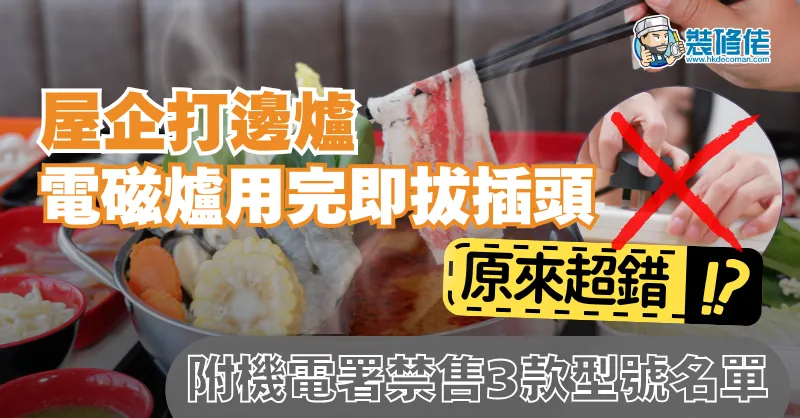
When the weather is cold, nothing is more delightful than gathering with family or a few close friends at home for a hot pot meal. Induction cookers have become the preferred choice for hot pot in many households due to their convenience and speed. However, have we overlooked potential home safety risks? Some seemingly ordinary usage habits may actually be incorrect or even dangerous. HKDecoman breaks down common mistakes when using an induction cooker, provides comprehensive safety tips, and includes information on 3 models of induction cookers previously required to be banned from sale by the Electrical and Mechanical Services Department (EMSD), so you and your family can dine with greater peace of mind.
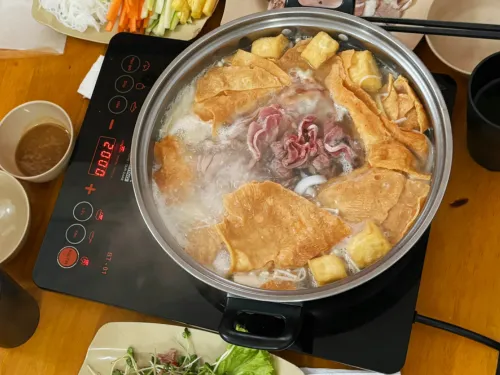
Have You Made These Mistakes Too? 4 Common Induction Cooker Usage Errors
Many people, when using an induction cooker, might make some mistakes due to momentary convenience or lack of knowledge, ranging from affecting the appliance's lifespan to potentially causing short circuits or fires. Check immediately if you've also made the following common errors:
Mistake One: Cutting Power Immediately After Use
Many people are accustomed to turning off the cooker and unplugging it right after finishing a hot pot meal to clean up quickly. But this is actually a major taboo. Most induction cookers have an internal cooling fan that continues to operate for a period after heating stops to cool down the high-temperature electronic components inside the unit. If power is cut immediately, the fan stops, preventing effective heat dissipation. Over time, this can shorten component lifespan or even cause damage from overheating. The correct practice is to wait until the fan has completely stopped spinning before unplugging the power.
Mistake Two: Using an Extension Cord for Power
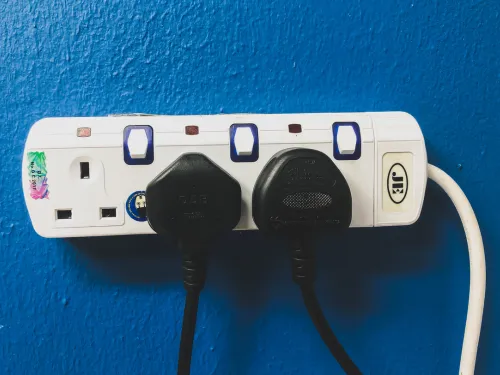
Induction cookers are high-power appliances, typically with a power rating of 2000W or more. In Hong Kong, extension cords generally have a rated current of 13A, with a maximum load capacity of about 2860W. If an induction cooker is used on the same extension cord as other appliances (like an electric kettle or heater), it can easily exceed the load, causing the extension cord or wiring to overheat and potentially start a fire. The safest method is to plug the induction cooker directly into a dedicated wall socket.
Mistake Three: Using a Pot That Is Too Large or Heavy
When having hot pot with many people, a larger pot might be chosen. However, note that most household induction cookers have a ceramic glass panel with a weight limit of about 5 kilograms (including the food inside the pot). If the pot is too heavy, it could crack the panel. Once the panel cracks, hot pot broth or moisture has a chance to seep into the internal components, coming into contact with live electrical parts, creating a risk of electric shock or even a short circuit.
Mistake Four: Rinsing the Cooktop Directly with Water
An induction cooker inevitably gets greasy after use, but never take the easy route by rinsing it directly under a tap or wiping it with a soaking wet cloth. Moisture can easily seep into the unit through ventilation openings or panel edges, damaging the internal circuit board and causing a short circuit. The correct cleaning method is to wait until the cooktop has completely cooled, then wipe it with a soft cloth or sponge dampened with a small amount of neutral detergent, and finally dry it with a dry cloth.
Complete Guide to Induction Cooker Use and Maintenance
Besides avoiding the above usage errors, to ensure your induction cooker is safe and durable, the following series of usage tips and maintenance recommendations are equally important:
- "Five No's" Check Before Use: For an induction cooker that hasn't been used for a long time, perform a basic check before turning it on. The "Five No's Principle" recommended by Taiwan Power Company is very practical: panel not cracked, power cord not damaged, plug not dusty, ventilation openings not blocked, and not sharing a socket.
- Ensure Proper Ventilation for Heat Dissipation: An induction cooker generates high heat during operation and relies on the unit's air intake and exhaust vents for cooling. Ensure there is sufficient space around the cooker, and never block the air vents with tablecloths or other items.
- Avoid Overfilling the Pot with Broth: When having hot pot, don't fill the pot too full with broth to prevent it from boiling over. This not only risks scalding the user but also gives broth a chance to seep into the unit and damage components.
- Do Not Place Metal Objects on the Cooktop: Besides the pot, do not place metal spoons, cans, or even aluminum foil within the heating area, as the principle of electromagnetic induction will also heat these items, creating a hazard.
- Make Good Use of the Safety Lock Feature: Many modern touch-control induction cookers come with a child safety lock. If there are children at home, make good use of this feature to prevent them from accidentally turning it on.
- Store Properly: Hong Kong's weather is humid. When an induction cooker is not in use, clean it thoroughly and store it in a dry, cool place to prevent components from getting damp.
- Use Periodically: Any electrical appliance left idle for a long time may lead to component aging. It is recommended to take it out and use it every so often to help keep the mechanism functioning properly.
EMSD's List of 3 Banned Induction Cooker Models
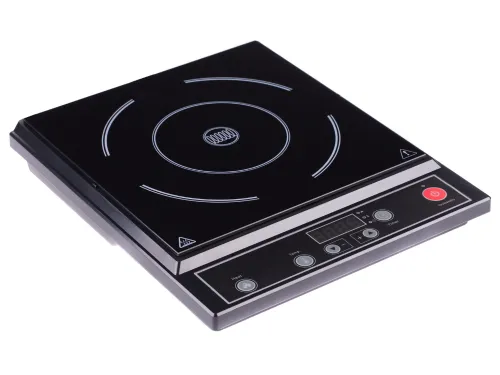
As savvy consumers, besides knowing how to use electrical appliances safely, understanding product information in the market is also very important. The Electrical and Mechanical Services Department (EMSD) regularly monitors and tests listed model products on the market to ensure they comply with the energy efficiency and performance declared under the Energy Efficiency (Labelling of Products) Ordinance.
The EMSD has previously announced the removal of 3 induction cooker models from the Listed Models Record and prohibited their supply in Hong Kong because their test results did not meet the relevant standards. Consumers should check if they are using any of the following models at home:
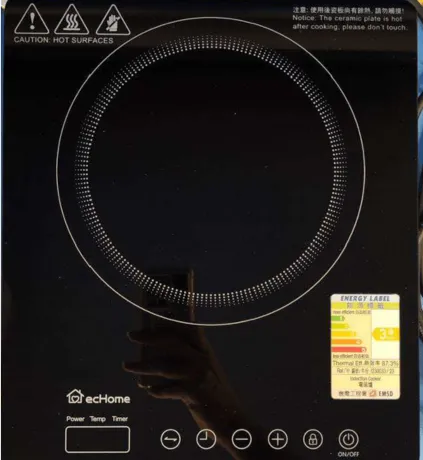
Brand: ecHome; Model: IDC2010T
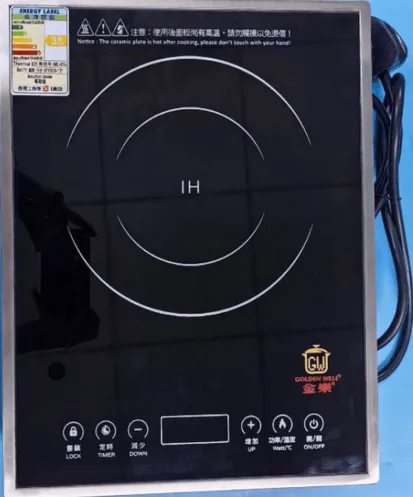
Brand: Golden Well; Model: GW-IH2800
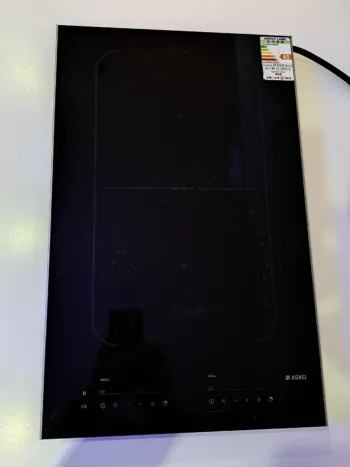
Brand: ASKO; Model: HI1355G
Although the main reason for the ban relates to failure to meet energy efficiency or performance standards, this also reflects the importance of product quality regulation. When purchasing a new induction cooker, besides considering power and price, consumers should also prioritize products from reputable brands and those bearing Grade 1 or Grade 2 energy efficiency labels to ensure product quality and electrical safety.
【Editor's Picks】
From renovation quotes to moving in and beyond, comprehensive one-stop support!
>> Get a Free Renovation Quote: https://hkdecoman.com/measure
>> Book a Home Clinic Appointment (Inspection/Cleaning/Repair): https://clinic.deco-x.com/
Specialized Sections for Various Property Types:
>> Public Housing https://decoman-publichousing.com/
>> Private Buildings https://decoman-privatehousing.com/
>> New Developments https://decoman-newproperties.com/
>> Tong Lau (Tenement Buildings) https://decoman-tenement.com/
================================================================
*** This article is reprinted with permission from HKDecoman ***