

Table of Contents
Beat the Heat: Smart Renovation Tips for a Cooler Home
🎧 Listen to this article
During Hong Kong's long, scorching summer, indoor spaces often become hot and stuffy. However, simply cranking up the air conditioning afterwards only treats the symptoms. If the house itself lacks adequate heat insulation and ventilation, it not only consumes more electricity but also greatly compromises living comfort. To block heat at the source, the "hard decoration design" during the initial renovation phase is key. Through reasonable selection of building materials, spatial layout, ventilation design, and color and lighting coordination, heat intrusion can be blocked from the source. Decoration Master will break down how to create a truly cool and comfortable home through renovation design from four major aspects of hard decoration.
1. Material Selection: Floor Tiles and Wall Surfaces
Building materials directly affect the rate of heat absorption and dissipation indoors. In Hong Kong's hot and humid environment, the "thermal conductivity" of hard decoration materials is a key factor determining the perceived indoor temperature.
- Flooring materials: Compared to wooden or laminate flooring, ceramic materials such as polished tiles, gypsum tiles, or antique tiles have higher thermal conductivity and larger heat capacity. These materials feel cool to the touch and can quickly dissipate accumulated indoor heat. If you prefer a wood texture, consider using "wood-grain tiles" instead of solid wood, which retains a warm visual effect while leveraging the cooling properties of tiles.
- Walls and decorations: In areas such as the living room TV background wall, kitchen countertops, or window sills, moderately incorporate natural stones like granite, marble, or quartz. The surface temperature of stone is usually lower than the ambient temperature, providing a cool touch and adding a grand, refreshing texture visually.
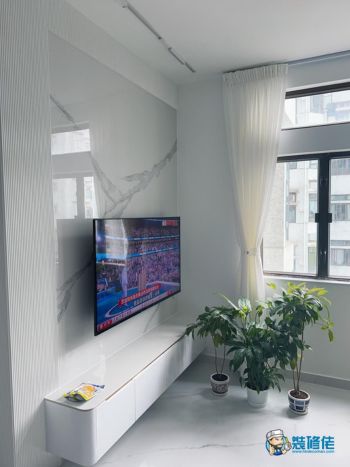
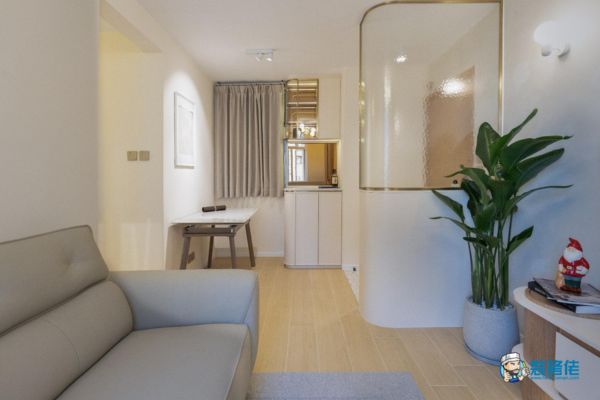
- Translucent partitions: Traditional brick walls block light transmission and spatial flow, exacerbating feelings of oppression and stuffiness. In areas requiring division, use acrylic, translucent polycarbonate sheets (sunlight boards), or frosted materials as lightweight partitions, which maintain privacy while allowing soft light to pass through, reducing heat accumulation from large enclosed walls.
2. Ventilation and Airflow: Get the Air Moving
Indoor stuffiness is often caused by poor air circulation. Good ventilation design can carry away indoor moisture and heat, creating a natural cool breeze experience.
- Guide cross-ventilation: When planning the positions of openings (doors and windows), try to arrange the air inlet and outlet to form diagonal or straight-line airflow. If the unit has single-sided lighting or many partition walls, consider using light-transmitting but non-see-through glass brick walls or louvered doors to avoid solid walls blocking airflow.
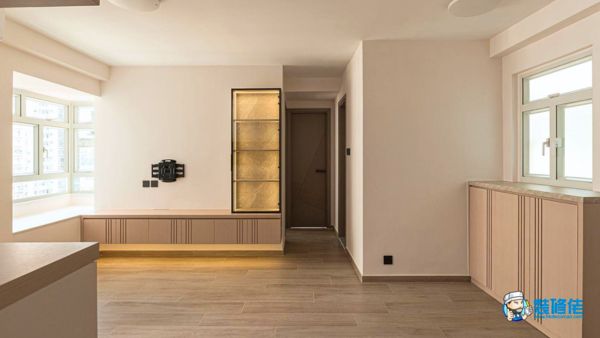
- Open or semi-open layout: Reduce unnecessary non-load-bearing walls and adopt open kitchens or open living-dining designs. This not only increases the sense of space but also promotes air circulation over a larger area, reducing heat accumulation in dead corners.
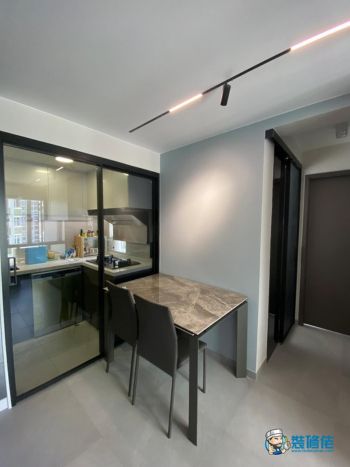
- Entryway and louvered screens: If the entryway or area divider uses traditional solid walls, it can easily block airflow brought in when the door opens. Instead, use wooden or metal louvers as screens, which divide space and preserve privacy while allowing cool breezes to flow freely through the gaps.
3. Color and Texture: Achieving a "Cooling Effect" Visually
Vision has a significant psychological suggestive effect on the body's perceived temperature. By adjusting color and visual texture, the "restlessness and heat" of a space can be effectively reduced.
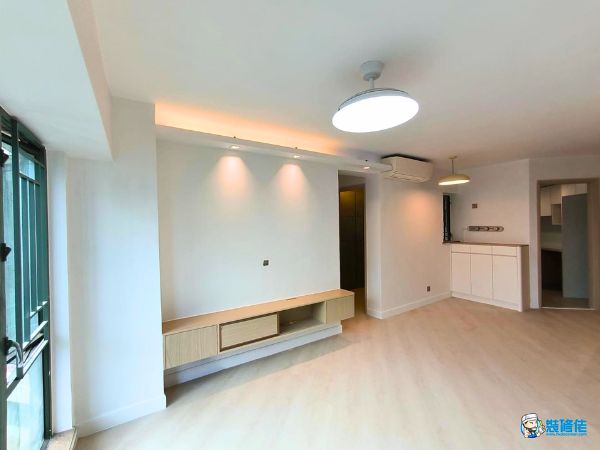
- Cool tones and high-brightness color schemes: For walls, floor tiles, and large-area hard decoration coatings, it is recommended to mainly use cool colors such as light blue, mint green, cool gray, and pure white. Light colors have high light reflectance, absorb less heat, and psychologically evoke a fresh and tranquil feeling.
- Avoid large areas of intense warm colors: Warm tones like bright red, orange, and deep yellow can easily create a feeling of stuffiness and oppression visually. Try to avoid using them extensively in well-lit or smaller rooms.
- Clean and simple line design: The hard decoration style should remain minimalist, avoiding overly complex carved lines or elaborate ceilings. Clean, crisp spatial lines help reduce visual heaviness.
Register now for a free quote inquiry
4. Lighting and Heat Sources: Reducing Indoor "Hidden Heat Sources"
Many people overlook that lighting fixtures and appliances themselves are also indoor heat sources. Reasonable electrical and lighting planning is an essential part of keeping cool.
- Use high-efficiency LED lighting: Traditional halogen lamps, quartz lamps, and incandescent bulbs generate a large amount of heat when emitting light, and prolonged use can significantly raise room temperature. LED fixtures have high electro-optical conversion efficiency and produce very little heat, making them the top choice for cooling renovations.
- Choose cool color temperature lighting: In summer or for daily use, make more use of lighting with a color temperature of 4000K (natural white) to 5000K (cool white). Compared to 3000K warm yellow light, cool white light creates a fresh and bright indoor atmosphere.
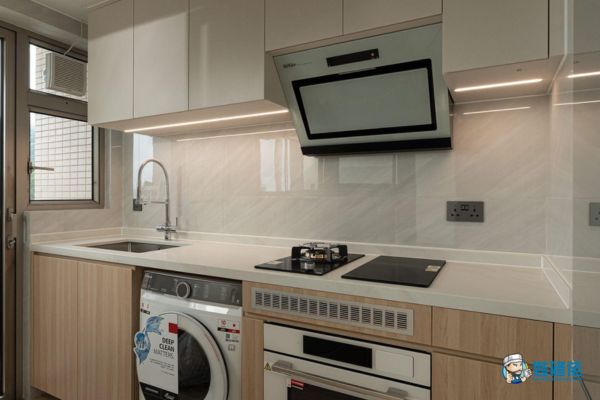
- Built-in appliances and heat dissipation channels: When planning high-power appliances (such as refrigerators, ovens, televisions) in the kitchen and living room, the hard decoration cabinetry must reserve sufficient heat dissipation space and ventilation holes to prevent heat from accumulating inside the cabinets and slowly releasing into the indoor environment.
For more useful renovation information, please visit theDecoration Mastercolumn:
Comprehensive support from renovation quotes to before and after moving in!
>> Get a Free Renovation Quote: https://hkdecoman.com/measure
>> Book a Home Clinic (Inspection/Cleaning/Repair): https://clinic.deco-x.com/
Special sections for various housing types:
>> Public and Subsidized Housing https://decoman-publichousing.com/
>> Private Housing https://decoman-privatehousing.com/
>> New Developments https://decoman-newproperties.com/
>> Tenement Buildings https://decoman-tenement.com/
==========================================================
*** This article is republished with permission from Decoration Master ***