
Table of Contents
Don't Just Empty It: Clean Pink Slime from Dehumidifier Tanks
🎧 Listen to this article
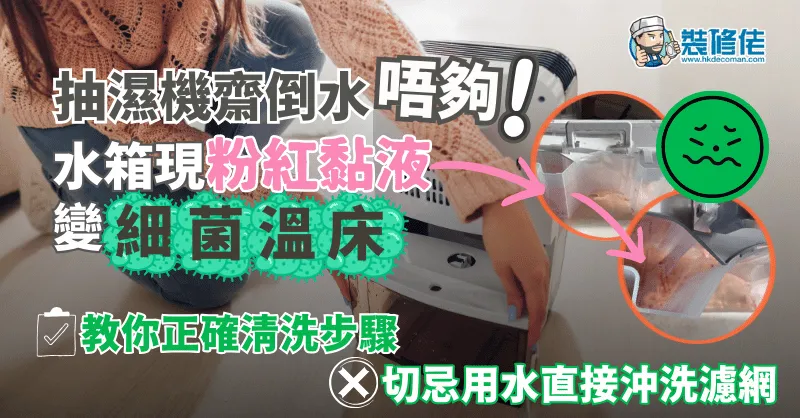
It's the humid spring season again, and every household is on high alert, bringing out dehumidifiers to combat the 'return of moisture.' However, when you pour out the full tank of accumulated water, have you noticed a layer of slippery pink slime at the bottom or corners of the tank? Many people think it's just ordinary dirt, but it could actually be a warning sign of bacterial growth. If you only pour out the water without thorough cleaning, the dehumidifier can easily become a breeding ground for allergens in your home, affecting your family's health.
Just pouring out the water is definitely not enough! 'Pink slime' may appear in the tank at any time
The working principle of a dehumidifier is to condense moisture from the air into water and collect it in the tank. Therefore, the inside of the tank is constantly in a humid state, making it an ideal environment for microbial growth. Home expert 'Dou Dou Mommy' points out that the pink slippery slime commonly found in the tank is not ordinary scale or dust, but a 'biofilm' formed by a bacterium called Serratia marcescens and its secretions.
This biofilm acts like a protective fortress for bacteria, with a firm structure and strong adhesion. It cannot be removed by simply rinsing with water and may even resist some cleaning agents. Therefore, even if you pour out the accumulated water every time, as long as you don't scrub it, this biofilm will remain firmly attached to the tank walls and continue to breed bacteria.
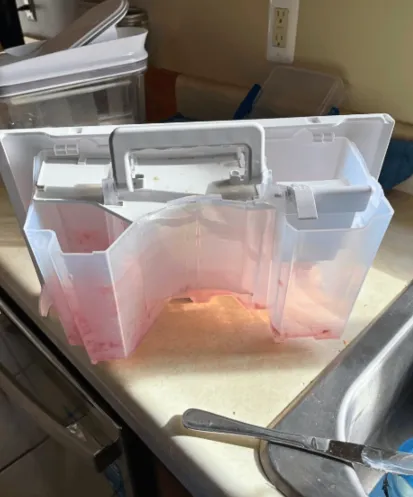
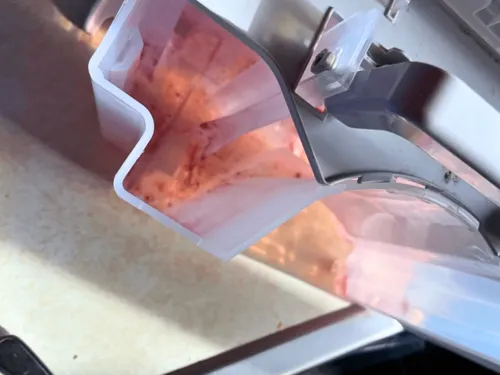
⬆️ Online image
Toilet tank cleaning trilogy
To effectively remove stubborn biofilm, you must take targeted measures. The tank should be cleaned at least once a week, following these three steps:
- Scrub: After emptying the tank, use a soft brush or sponge with a moderate amount of neutral detergent to thoroughly scrub the inner walls. The surfactants in the detergent help break down bacterial cell walls, while the physical friction of scrubbing directly scrapes off the slippery biofilm. Pay special attention to "dead corners" such as right-angle corners, handle grooves, and areas under the float rod where dirt tends to accumulate.
- Disinfect: If there is severe white limescale or old mold stains in the tank, scrubbing alone may not be enough. In this case, use an acidic solution for deep cleaning. Dilute 1 part white vinegar with 10 parts water, or dissolve an appropriate amount of citric acid in warm water, and soak the tank for about 20 minutes. The acidic environment effectively dissolves limescale and destroys microbial cell membranes, achieving a disinfecting effect. For particularly stubborn stains, you can also use a 1:99 diluted bleach solution.
- Dry: After cleaning, make sure to dry the tank thoroughly. You can place it upside down in a ventilated area to ensure no residual moisture remains inside. Since most bacteria cannot survive on completely dry surfaces, this step is the last line of defense to prevent bacteria from returning.
Filter Cleaning and Maintenance
In addition to the water tank, the filter responsible for filtering airborne dust is also a key cleaning point. It is recommended to clean it every 2 to 4 weeks. A dirty filter can accumulate a large amount of dust and bacteria, affecting dehumidification efficiency, increasing the load on the compressor, and even shortening the machine's lifespan.
Before cleaning, first identify the filter type. Some dehumidifiers with air purification functions use HEPA (High Efficiency Particulate Air) filters. These high-density filters must never be washed with water, as water can damage their fiber structure and electrostatic layer, rendering them ineffective. HEPA filters can only be cleaned by gently vacuuming surface dust with a brush attachment, and they should be replaced regularly according to the manufacturer's instructions.
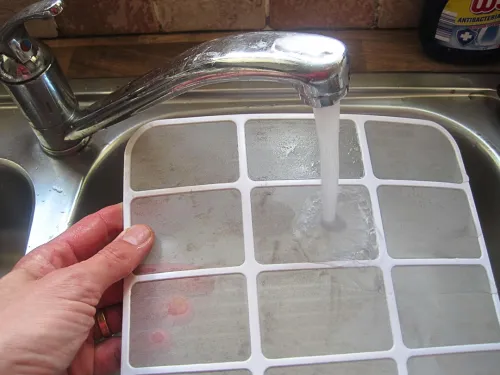
For general washable nylon filters, follow these maintenance principles:
- Dry before wet: Never rinse a dust-laden filter directly with water, as dust will form mud clumps when wet, clogging the mesh and making it harder to clean. The correct method is to first use a vacuum cleaner to remove most of the surface dust, or gently tap the filter to dislodge the dust.
- Gentle washing: Use cold water or warm water below 40°C. Water that is too hot can deform the nylon material, affecting filtration efficiency. Avoid scrubbing vigorously with a brush to prevent pushing dirt deeper into the filter's gaps.
- No sun exposure: After cleaning, let the filter air dry naturally in a cool, ventilated place. Do not expose it to direct sunlight, as UV rays can damage the polymer structure of the plastic, making the filter brittle and easily breakable, significantly shortening its lifespan.
- Regular replacement: If dirt still adheres after multiple cleanings, the filter's lifespan may be exhausted and it needs to be replaced.
[Editor's Pick Articles]
[Renovation People] A Renovation Consultant Who Won Homeowners' Trust with Patience — Kingsly
Comprehensive support from renovation quotation to before and after moving in!
>> Get a Free Renovation Quote: https://hkdecoman.com/measure
>> Book a Home Clinic (Inspection/Cleaning/Repair): https://clinic.deco-x.com/
Special zones for various property types:
>> Public Housing https://decoman-publichousing.com/
>> Private Housing https://decoman-privatehousing.com/
>> New Properties https://decoman-newproperties.com/
>> Tenement Buildings https://decoman-tenement.com/
================================================================
*** This article is reprinted with permission from 裝修佬 ***