Table of Contents
Electric Heating Pad Safety and Savings
🎧 Listen to this article

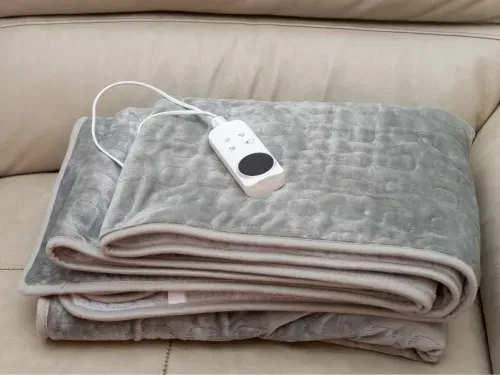
Apart from the common heaters and fan heaters, many people also choose to purchase electric heating pads as a must-have item for home warming. The Consumer Council recently tested 13 types of electric heating pads that are commonly found on the market, with prices ranging from $300 to $1,090. The test covered multiple aspects, including performance, safety, and ease of use.
9 models failed safety tests
Out of the 13 samples tested by the Consumer Council in Hong Kong, a concerning 9 models did not pass the safety tests. These products mainly had issues in the areas of structure and insulation, material heat resistance, and malfunction protection. Notably, some products reached carpet surface temperatures of up to 87.1 degrees Celsius in the event of a malfunction, posing a serious risk of burns. The results indicate that the safety standards of electric heating pads currently on the market vary significantly, and consumers must be extra cautious when making a purchase.
Electric heating pads save 40 times more electricity than heaters
Since electric heating pads are typically used for extended periods, many people are concerned about their power consumption. The test showed that the power consumption of the various electric heating pads after continuous use for 8 hours ranged from 129 to 280 watt-hours (Wh). Based on 8 hours of use every night and an electricity rate of $1.1 per degree, the nightly cost is only about $0.14 to $0.3. Compared to heaters or fan heaters with power ratings of over a kilowatt, electric heating pads can save up to 40 times the electricity cost. From an energy efficiency perspective, electric heating pads are indeed a very economical heating option.
Read more: [Home Appliance Tips] 4 Myths About Electric Heaters and Fan Heaters Answered
Consumer Council's Purchasing Guide
When purchasing an electric heating pad, the Consumer Council suggests that consumers pay close attention to the product's temperature control capabilities and included features.
Temperature requirements:
- The maximum temperature setting should not exceed 80 degrees Celsius.
- The minimum temperature setting should not go beyond 37 degrees Celsius.
- The general usage temperature should be between 40 and 60 degrees Celsius.
Power recommendations:
- Single-person models: Should not exceed 60W.
- Double-person models: Should not exceed 120W.
Prioritize the following safety features:
- Timer function.
- Auto-shutoff function.
- Automatic temperature control function.
- Overheat protection.
4 types of people who should not use electric blankets
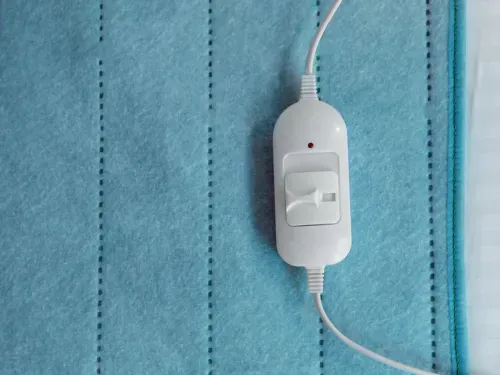
Electric blankets are not suitable for everyone. According to dermatologists, prolonged contact with high temperatures can cause burns, and even though the temperature of an electric blanket is usually between 40 and 60 degrees Celsius, there is still a risk of burns depending on the setting and individual physique. Therefore, for safety reasons, electric blankets are not recommended for children under 3 years old, people with reduced mobility, those who are bedridden, and individuals with impaired sensitivity to heat. People with eczema or skin allergies should consult a doctor before using an electric blanket as prolonged use may worsen skin sensitivity by accelerating moisture loss.
It is also recommended that users adjust the temperature to a lower setting before going to sleep, especially if they have taken cold medicine or consumed alcohol, or are elderly and less sensitive to temperature changes.
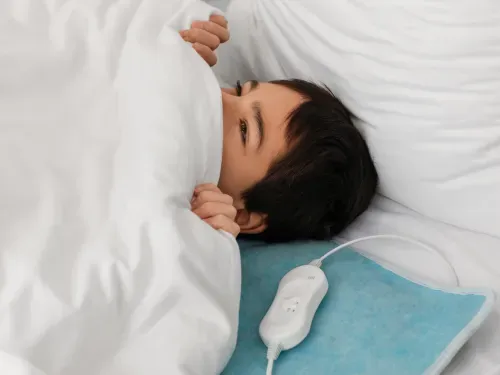
Electric Blanket Cleaning and Maintenance Guide
1. Pre-washing Preparations
Before cleaning, make sure the power is turned off and all connections are detached. Electric blankets on the market come in two types: those with detachable heating components for machine washing, and those that can only be surface cleaned.
2. Washing Instructions
For small stains, use a vacuum cleaner with medium to low suction. If machine washing is necessary, use the gentle cycle on an upright washing machine. Do not use a front-loading washer to avoid damaging the heating elements.
3. Drying Instructions
After washing, air-dry the blanket naturally. Do not use a dryer as the heat may affect the electrical components.
4. Storage Instructions
When storing the blanket, return it to its original packaging or use a dedicated storage bag. Avoid excessive folding or compression, and regularly inspect for any damage.
Learn more about renovation quotes for different types of homes for free:
Public Housing: https://decoman-publichousing.com/
Private Housing: https://decoman-privatehousing.com/
New Properties: https://decoman-newproperties.com/
Walk-up Buildings: https://decoman-tenement.com/
===============================================
This article and its images are provided by Deoman, a column writer.