

Table of Contents
Flying Ants vs Termites: Prevention and Control Tips
🎧 Listen to this article
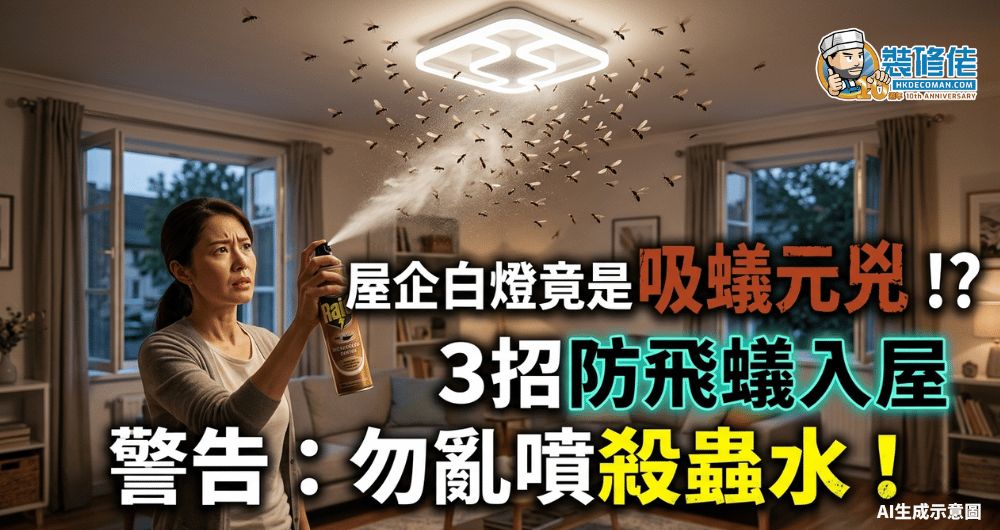
For many residents, flying ants are not just annoying flying insects; they are more worried that after entering the house and shedding their wings, they will turn into termites, gnawing away at wooden furniture and decorations. How should we deal with the swarm of flying ants?
Large numbers of flying ants appear in many districts across Hong Kong
Residents in many districts have reported on various social media platforms that they have been severely disturbed by flying ants. Even with windows tightly closed, flying ants can still sneak indoors through gaps in air conditioners, door cracks, etc. Some neighbors even described their homes as "full of them," and had to use electric mosquito swatters to eliminate them overnight. These flying ants not only create chaos in the environment but also raise concerns that once they successfully build nests in hidden corners of the house, such as baseboards, the bottom of wooden cabinets, or door frames, they will turn into termites that eat wood, posing a long-term threat to furniture structures. In severe cases, renovation may be required, with serious consequences.
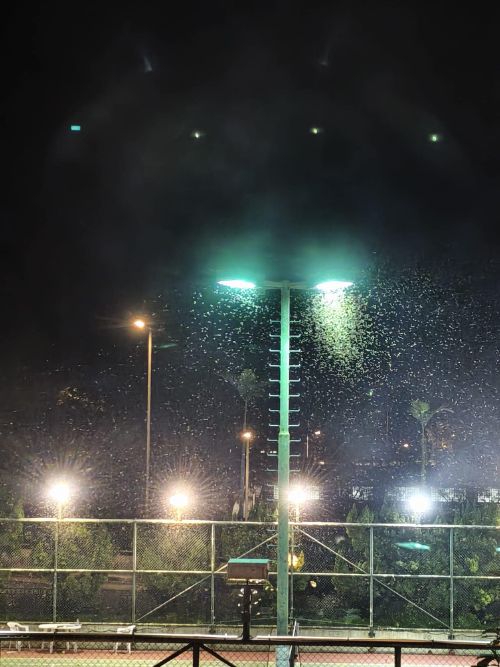
Image source: Hong Kong Natural Ecology Forum FB
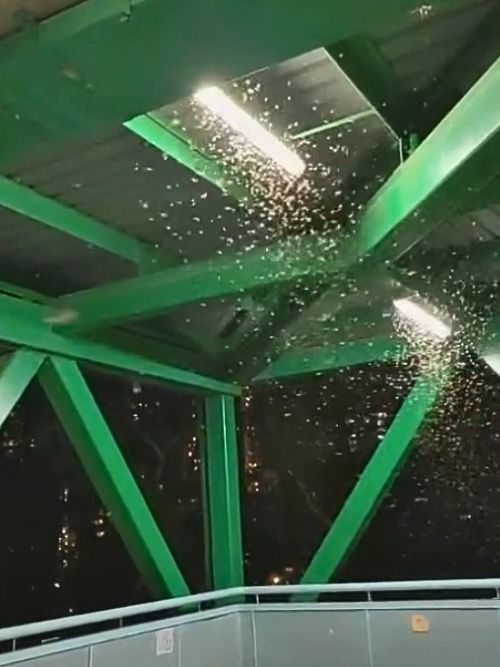
Image source: Threads@wingkainet
Are flying ants termites? Understand their breeding habits
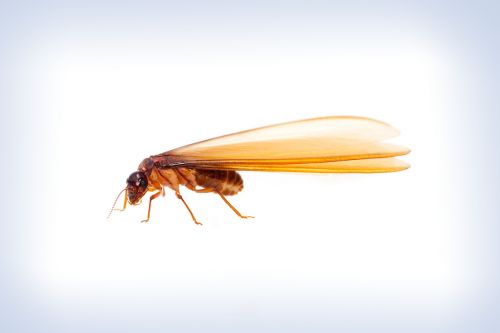
In fact, flying ants (also known as "big water ants") are the reproductive termites. Every spring and summer (especially from April to July), when the weather is humid, the temperature is between 25°C and 30°C, and the air pressure drops—this is a precursor to rainfall and also the golden time for flying ants to engage in "swarming" reproduction.
Flying ants themselves are not directly harmful to humans, but their threat lies in "nesting and reproduction." When flying ants are attracted by light sources and fly indoors, they will look for a suitable environment to shed their wings and mate. Once they successfully build a nest in a damp, dark wooden corner of the house (such as baseboards, door frames, or the bottom of wooden cabinets), they will develop into a termite colony and begin to eat away at the wood. Therefore, keeping flying ants out of the door or dealing with them properly at the early stage of discovery is key to protecting your home from termite damage.
3 Practical Solutions to Prevent Flying Ants at Home
To prevent flying ants from entering your home, physical isolation is the most effective preventive measure. Flying ants are strongly attracted to light and are easily drawn to indoor lighting. It is recommended to adopt the following preventive measures:
- Close doors and windows and install screens: During dusk when flying ants are most active, be sure to close doors and windows tightly to block their entry. If you want to maintain ventilation, installing fine mesh screens is the best solution, as it does not affect the aesthetic design and effectively blocks larger insects from flying in.
- Control indoor light and light color: The color temperature and light waves of white light are closer to moonlight, which flying ants use for navigation, making white light highly attractive. It is recommended to draw blackout curtains as much as possible after dusk to prevent indoor light from spilling outside; if indoor lighting allows, switch to yellow light, which relatively reduces attraction to flying ants.
- Keep the environment dry and clean: A humid environment is a paradise for termites. After shedding their wings, flying ants instinctively seek damp, dark cracks to lay eggs. Use a dehumidifier to keep the indoor environment dry, and regularly check bathrooms, kitchen sinks, baseboards, and the bottoms of wooden cabinets for leaks or seepage. Keeping the environment dry can significantly reduce the chances of flying ants successfully nesting.
Big taboo: Do not spray insecticide casually
When faced with a small number of flying ants entering the house, many people's first reaction is to grab insecticide and spray, but this approach often backfires. If there is already a hidden ant nest in the house, directly spraying insecticide or disinfectant will only disturb the termites, causing them to scatter and even move to more hidden areas inside the walls to continue nesting. This can spread what might have been a localized infestation, increasing the difficulty and cost of subsequent treatment.
Correct methods for dealing with flying ants entering the house
If unfortunately flying ants have already entered your home, stay calm and try the following methods:
- Vacuum cleaner treatment: If the number of flying ants is small, the quickest and most effective method is to use a vacuum cleaner to suck them up. This physical cleaning method is safe and will not disturb potential ant colonies.
- Water basin trap (use with caution): A common folk method is to place a basin of water under a light, adding a small amount of dish soap, using the light reflection to attract flying ants to fly in and drown. This method is indeed effective for dealing with a small number of flying ants, but note: if you do not first close the windows and draw the curtains, the reflective light from the basin may instead attract more flying ants from outside into the house. Therefore, when using this method, ensure the environment is sealed, leaving only this target light source.
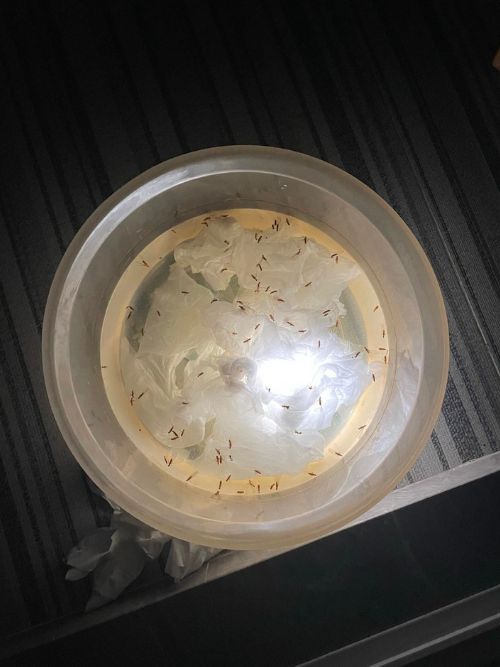
Image source: Threads@doriss.tse
- Inspect and repair: After dealing with flying ants, carefully check walls, baseboards, or wooden furniture for signs of "mud tunnels" or hollowed-out wood. If you find cracks suspected to be ant nests, use cement or glass glue to seal them, blocking their movement space.
- Seek professional help: If you find a large number of flying ant wings at home or "mud tunnels" on walls, it may indicate a termite nest inside your home. DIY treatment often only addresses symptoms and may worsen the infestation. At this point, decisively seek a professional pest control company for inspection and complete eradication to prevent the situation from escalating.
[Editor's Picks]
Comprehensive support from renovation quotes to before and after moving in!
>> Get a Free Renovation Quote: https://hkdecoman.com/measure
>> Book a Home Clinic (Inspection/Cleaning/Repair): https://clinic.deco-x.com/
Special sections for different property types:
>> Public Housing https://decoman-publichousing.com/
>> Private Housing https://decoman-privatehousing.com/
>> New Developments https://decoman-newproperties.com/
>> Tenement Buildings https://decoman-tenement.com/
================================================================
*** This article is republished with permission from 装修佬 ***