

Table of Contents
Laundry Powder vs Liquid vs Capsules: How to Choose
🎧 Listen to this article
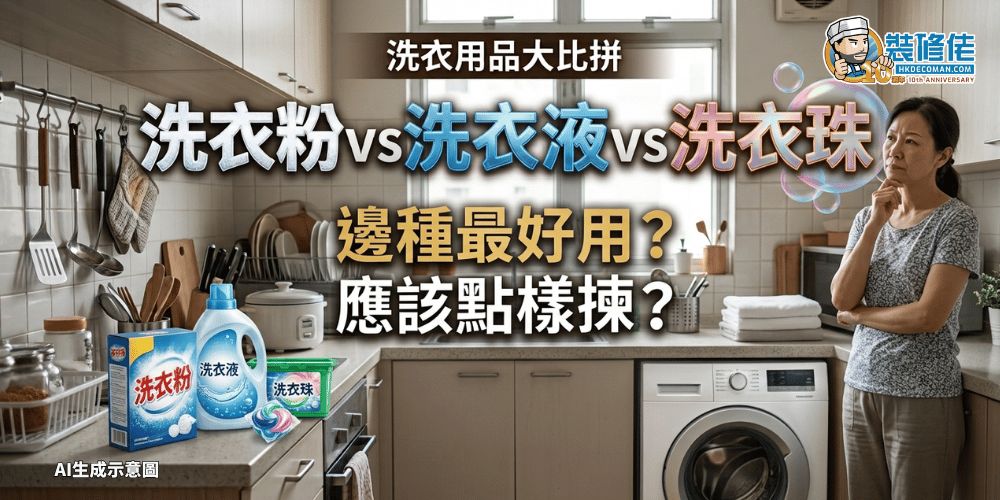
When choosing laundry products, many people tend to use one type all the time, or believe that "the more you use, the cleaner it gets." In fact, if you don't understand the product's characteristics or use it incorrectly, residue can easily damage clothing fibers, and even accumulate dirt inside the washing machine, causing washed clothes to have a musty smell. What are the differences between the three common laundry products on the market? How can you get the best results from them?
How to choose among three types of laundry products?
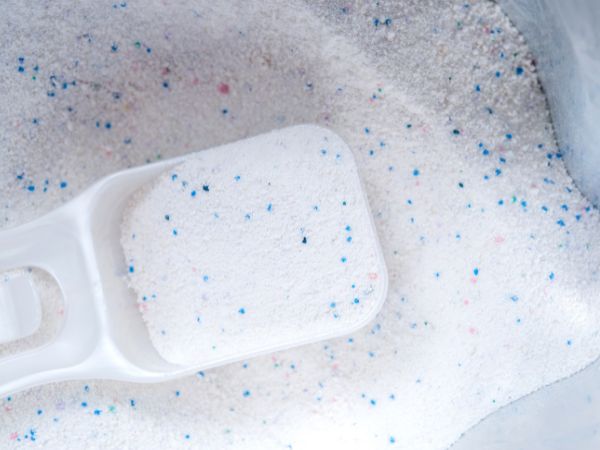
1. Laundry Powder (Powder Type)
- Characteristics and Advantages: Alkaline, with high concentration of effective formula, and the strongest ability to remove oil and mud stains among the three. The price is relatively affordable and cost-effective.
- Best Uses: Suitable for cleaning thicker fabrics such as jackets, work clothes, bed sheets, or jeans, especially for handling heavy sweat or stubborn stains.
- Precautions: Dissolves slowly. If used in excess at lower water temperatures, it can leave white powder residue on clothes, and long-term use can make fabric fibers stiff or fade. It is recommended that people with sensitive skin avoid using it for underwear, or wear gloves when hand washing.
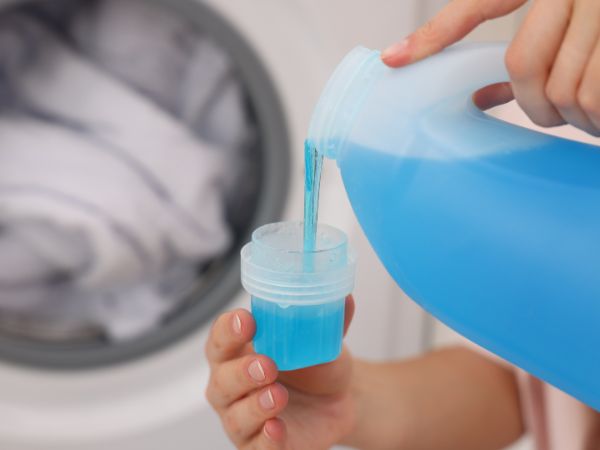
2. Laundry Liquid (Liquid Type)
- Characteristics and Advantages: Mostly neutral in nature, very easy to dissolve in water. Extremely gentle on fabrics, protecting the original colors of clothes to the greatest extent, with almost no residue issues.
- Best Uses: Suitable for everyday light dirt, especially underwear, wool sweaters, silk, and delicate items that are prone to deformation.
- Precautions: For extremely stubborn oil stains or deep-set dirt, its pure cleaning power is slightly inferior to powder products, but it is completely sufficient for the daily cleaning needs of most households.
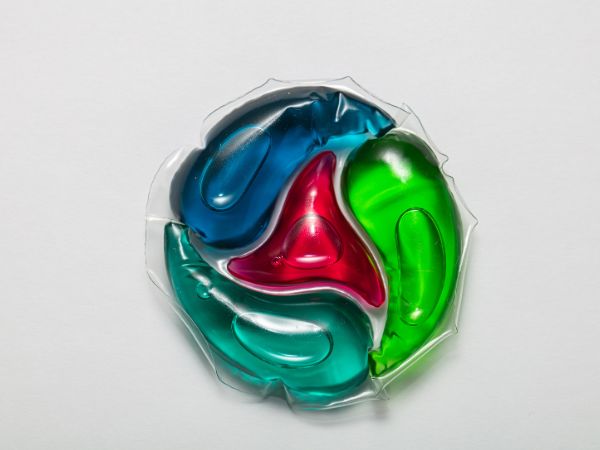
3. Laundry Capsules (Capsule Type)
- Characteristics and Advantages: Encloses high-concentration ingredients and cleaning enzymes, with excellent overall performance in removing stains and breaking down dirt (such as residual tea stains or deep sweat stains).
- Best Uses: Suitable for families who value convenience and wash large amounts of mixed laundry at once.
- Precautions: The cost per use is higher, and the amount cannot be flexibly adjusted according to the load. It is less economical for small loads.
Comprehensive Performance Comparison of the Three Products
To help everyone choose the most suitable detergent for their household clothes more intuitively, the following provides a comprehensive evaluation from ingredient characteristics, cleaning performance, to fabric care effects:
| Evaluation Criteria | Laundry Powder | Laundry Liquid | Laundry Capsule |
|---|---|---|---|
| Main Chemical Properties | Weakly alkaline (higher pH) | Mostly neutral (pH close to 7) | Neutral to weakly alkaline (high-concentration formula) |
| Stain and Grease Removal | Extremely high (excellent at breaking down sebum, mud, and heavy grease) | Medium (sufficient for everyday light sweat stains and dust) | Extremely high (multiple enzymes effectively break down proteins and specific stains) |
| Fabric Care and Color Retention | Weaker (long-term use can make fabrics stiff and fade) | Best (reduces fiber friction, maintains original color and elasticity) | Good (balances cleaning power with fabric protection) |
| Low-Temperature Dissolution | Poorer (tends to clump and leave residue when water temperature is below 30°C) | Excellent (disperses evenly in cold water instantly) | Excellent (outer water-soluble film dissolves on contact with water, but placement order needs attention) |
| Flexibility in Dosage Adjustment | High (can be increased or decreased according to the amount of clothes) | High (comes with a measuring cup for easy adjustment by water level) | Low (fixed single-capsule capacity, higher cost for small loads) |
| Recommended Clothing Types | Heavy jackets, canvas, work clothes, bed sheets and duvet covers | Underwear, knitwear, silk, jeans, baby clothes | Mixed-material everyday clothes, household laundry for batch washing |
Common Misconceptions You Should Know
1. Placement Order of Laundry Capsules
- Common Mistake: Putting clothes in first and then tossing the capsule on top. This blocks the water flow, preventing the outer water-soluble film from dissolving properly, and the gel-like substance can easily stick to clothes.
- Correct Practice: "Place the capsule first, then clothes." Put the capsule at the bottom of the drum to ensure it comes into full contact with water first and dissolves completely.
2. Beware of Natural Ingredients "Soap"
- Some cleaners marketed as natural and gentle (with ingredients listed as "soap") may be less irritating to the skin, but they tend to produce greasy residue during washing.
- If this residue adheres to the back of the washing machine drum, it becomes a breeding ground for mold, causing the drum to develop mold and clothes to have unpleasant odors.
- Solution: If you regularly use such products, it is recommended to run a high-temperature empty cycle every two weeks or so, using a specialized drum cleaner for deep cleaning.
Practical Laundry Tips
- Sort Laundry for Better Fabric Care: In addition to separating dark and light colors, separate heavy items (like zippered jackets, jeans) from delicate ones to avoid friction that can damage thin clothes or cause pilling. Underwear should be washed separately.
- Control Soaking Time: Do not soak for more than 30 minutes. Prolonged soaking can cause dissolved dirt to be reabsorbed into the fabric fibers, increasing the risk of bacterial growth and odors.
- Pay Attention to Water Temperature: For general cotton clothes, using warm water at 30°C to 40°C helps cleaning ingredients dissolve and work better; but for linen or delicate fabrics, use cold water at room temperature.
- Keep Ventilated After Washing: Take out clothes to dry as soon as the cycle finishes. When the washing machine is not in use, leave the door slightly open to keep the interior dry and prevent bacterial growth in a damp environment.
[Editor's Picks]
Comprehensive support from renovation quotes to before and after moving in!
>> Get a Free Renovation Quote:https://hkdecoman.com/measure
>> Book a Home Clinic (Inspection/Cleaning/Repair):https://clinic.deco-x.com/
Special sections for various housing types:
>> Public Housing https://decoman-publichousing.com/
>> Private Housing https://decoman-privatehousing.com/
>> New Developments https://decoman-newproperties.com/
>> Tenement Buildings https://decoman-tenement.com/
==========================================================
*** This article is authorized for reprint by Deco Man ***