

Table of Contents
Typhoon-Proof Your Home: Essential Safety Checklist
🎧 Listen to this article

Whenever a typhoon hits Hong Kong, the strong winds often bring household safety hazards such as window leakage, electrical short circuits, and even outdoor items being blown away. To avoid being caught off guard during heavy storms, it is crucial to conduct a thorough home safety inspection and make typhoon preparations in advance. Decoration Master has compiled the key preparation points for each important area before a typhoon, helping you stay ahead and easily protect your home!
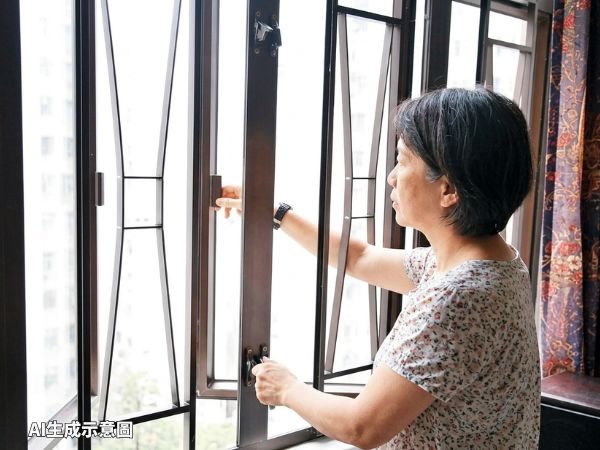
Window and Door Structure Inspection to Ensure Sealing and Prevent Water Leakage
Doors and windows are the first line of defense against strong winds and heavy rain. Their structural stability directly affects indoor safety. Before a typhoon, it is essential to carefully inspect related components to avoid leakage or breakage risks caused by structural issues.
- Check window frames and related parts: Visually inspect window frames for deformation and test whether they open and close smoothly. Carefully check window hinges, screws, and rivets for looseness, missing parts, or severe rust to ensure the window structure is stable and can withstand strong winds.
- Check the condition of waterproof rubber strips: Prolonged sun exposure can cause the rubber strips around windows to harden, age, or even crack. If gaps are found in the rubber edges, repair them promptly; during a typhoon, you can place towels on the windowsill and along the window edges in advance to absorb minor seepage.
- Lock doors and windows securely: Remember to close all doors and windows tightly and ensure that the locks are fully engaged. Under strong wind, unlocked windows can easily shake violently due to wind pressure, or even be blown open; engaging the locks significantly enhances the window's resistance to wind pressure.
Protection of Electrical Equipment to Eliminate Rainwater Leakage Risks
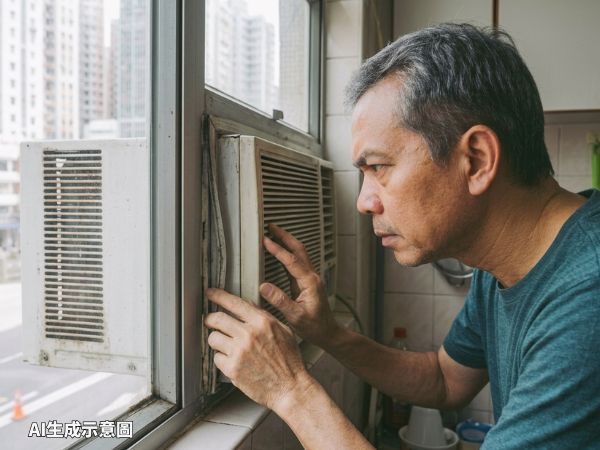
The air conditioner position has always been the most easily overlooked "water entry black spot" in homes during typhoons. Whether it is a window-type or split-type air conditioner, if the sealing rubber layer connecting to the exterior wall is damaged, horizontal wind and rain can easily seep into the interior along the wall and the gaps in the unit.
- Check the sealing around the air conditioner: If the rubber strips around a window-type air conditioner show aging, gaps, or loosening, use waterproof tape or plastic bags to seal the gaps around the air conditioner as a temporary protective measure before the typhoon.
- Check the bracket of the split-type outdoor unit: The outdoor unit of a split-type air conditioner is exposed to the outdoors for a long time. It is essential to check whether the mounting bracket is loose, deformed, or severely rusted to ensure structural stability and prevent accidents caused by strong winds.
- Move and protect electrical appliances near windows: Move power strips, routers, and small appliances (such as fans and dehumidifiers) placed near windows to locations away from the windows. If power outlets are near windows, consider pausing their use and unplugging them.
Clearing Outdoor Drainage Points to Ensure Unobstructed Channels
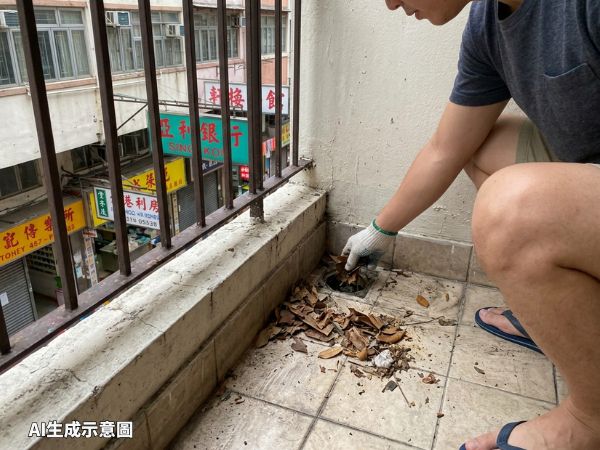
During heavy rain, the drainage efficiency of outdoor areas around the home directly determines whether indoor flooding will occur. If drainage is poor, it can easily cause water to back up, leading to serious indoor flooding.
- Clean debris from floor drains: Before a typhoon arrives, be sure to sweep leaves, mud, and daily debris from drainage channels on balconies, rooftops, and gardens to ensure the channels are unobstructed so rainwater can drain quickly.
- Inspect walls and ceilings in advance: Pay attention to bubbling, peeling paint, or dark water stains on wall corners; these are potential water seepage points. During strong winds and heavy rain, pay special attention to these areas so you can address them promptly.
- Prepare waterproof and flood-prevention supplies: Residents in low-lying areas or on the ground floor of village houses should prepare sandbags or waterproof bags in advance and place them at key locations such as the main entrance to deal with possible water accumulation.
Properly Store Outdoor Items to Avoid Danger from Strong Winds
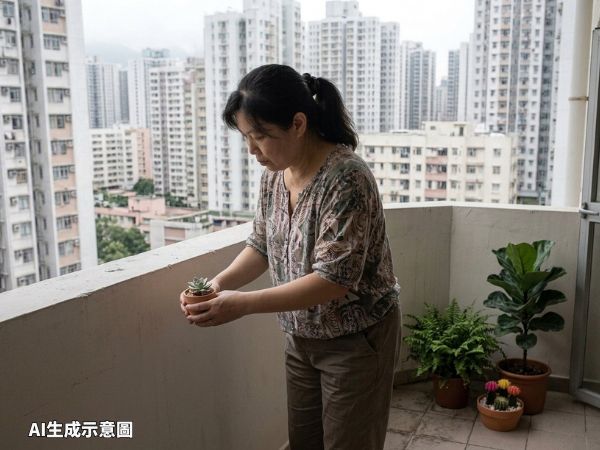
Items placed outdoors or near windows can easily be blown down or shatter glass under strong winds, becoming dangerous flying objects and posing great risk.
- Store outdoor decorations and items: Move flower pots, drying racks, and various items from balconies, windowsills, or gardens indoors to avoid them being blown over and damaged or falling off the exterior walls, causing accidents.
- Secure large facilities: If there are outdoor facilities that are too large or difficult to move, be sure to use sturdy ropes to secure them to the ground or walls to minimize the impact of wind.
- Rearrange furniture near windows: Try to move beds, sofas, or important documents and books away from windows to avoid irreparable damage to property in case of window leakage.
【Editor's Selected Articles】
From renovation quotes to before and after moving in, comprehensive support at every step!
>> Get a Free Renovation Quote: https://hkdecoman.com/measure
>> Book a Home Clinic (Inspection/Cleaning/Repair): https://clinic.deco-x.com/
Special zones for various property types:
>> Public Housing https://decoman-publichousing.com/
>> Private Housing https://decoman-privatehousing.com/
>> New Developments https://decoman-newproperties.com/
>> Tenement Buildings https://decoman-tenement.com/
==========================================================
*** This article is authorized for reprint by Decoration Master ***