
Table of Contents
Man Nearly Dies from Legionnaires' Disease After Restarting AC
🎧 Listen to this article
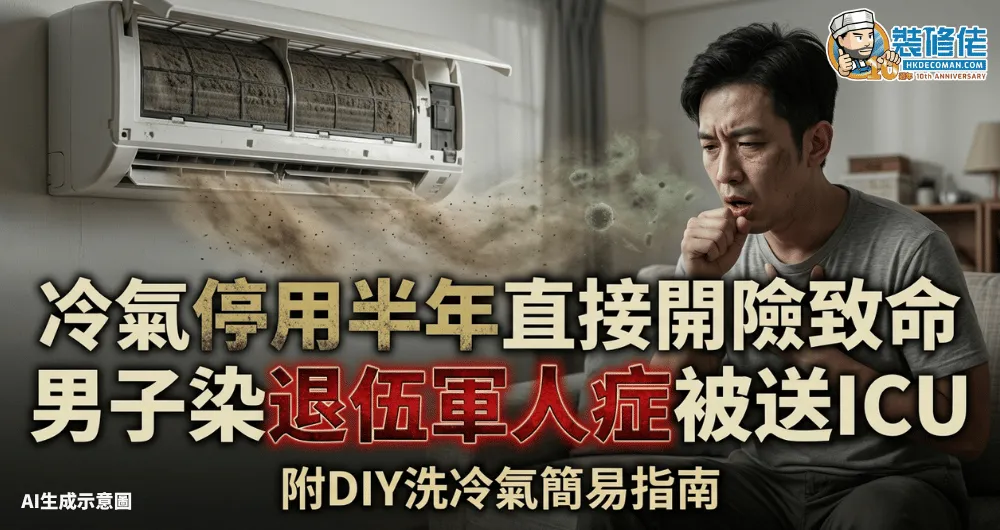
Summer weather is unbearably hot, and air conditioners in every household are running at full capacity. However, do you know that an air conditioner that has been idle for a long time and not thoroughly cleaned may hide a deadly danger? Recently, a thrilling case occurred in mainland China: a man contracted Legionnaires' disease just by restarting an air conditioner that had been idle for six months. Deco Man will briefly describe this incident and provide some advice on cleaning air conditioners to help you stay away from health threats.
Man nearly dies from Legionnaires' disease after restarting air conditioner
According to Dr. Bao Min, deputy director of the Department of Respiratory and Critical Care Medicine at Wuhan Third Hospital, a 32-year-old man restarted his home air conditioner, which had been idle for half a year, as the weather turned hot. Unexpectedly, after using the air conditioner for three consecutive days, he began to experience symptoms such as high fever, generalized muscle aches, and persistent dry cough. Initially mistaking it for a common cold, he took over-the-counter medication, but his condition did not improve; instead, it rapidly worsened, with signs of chest tightness and difficulty breathing. Later, after being admitted to the hospital, it was found that his left lung had developed a large area of infection, and he was ultimately diagnosed with Legionella pneumophila pneumonia, commonly known as Legionnaires' disease. He was immediately placed in intensive care and narrowly escaped death.
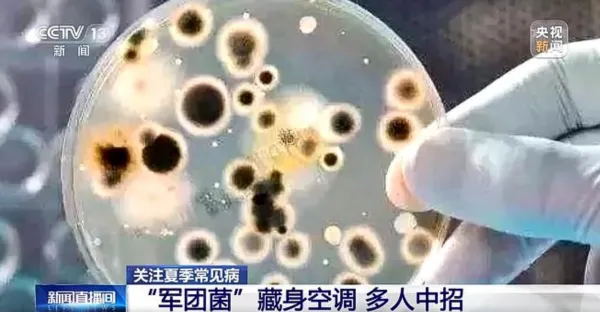
CCTV screenshot
Understanding Legionnaires' disease: the threat of invisible bacteria
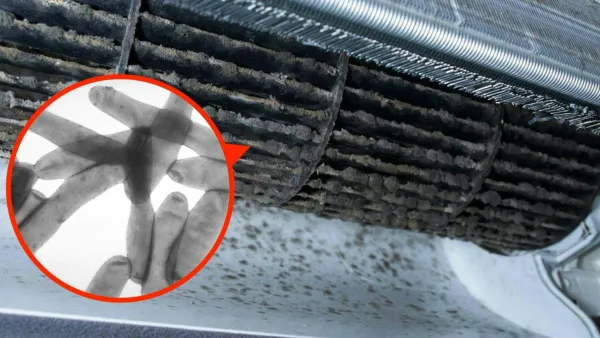
Legionnaires' disease is a bacterial infectious disease caused by Legionella pneumophila, mainly leading to severe pneumonia. This bacterium is widely present in natural water sources such as lakes and rivers. It thrives particularly in warm water between 20 and 45 degrees Celsius, thus often reproduces in artificial water systems, such as hot and cold water systems in large buildings, spas, and inside household air conditioners.
Its transmission route is mainly through inhaling contaminated fine water droplets (aerosols) and mist. When these bacteria-laden water droplets are released into the air and inhaled by humans, infection may occur. The incubation period after infection is about 2 to 10 days, with initial symptoms often similar to cold or flu, but the condition can rapidly worsen to severe lung infection.
Specialist doctor: cleaning only the filter screen is not enough
Dr. Bao specifically reminded, "Many citizens think that cleaning the filter screen is sufficient, but in fact, internal components such as the evaporator and fan wheel are the real bacterial hotspots." She explained that during the autumn and winter idle period, parts inside the air conditioner, such as behind the filter screen, the evaporator (commonly known as the cooling fins), the fan wheel (responsible for air supply), and the drain pan, can easily accumulate a lot of dust and human dander. In humid and warm climates, these hidden locations become breeding grounds for pathogenic bacteria such as Legionella, mold, and Staphylococcus aureus. Once the air conditioner is restarted, these invisible bacteria are spread into the enclosed indoor space with the cold air, directly invading the human lungs through the respiratory tract, posing a serious threat to health.
Online image
Simon's Tips: A Simple Guide to DIY Air Conditioner Cleaning
"Decoration Academy" Principal Simon, in an interview on RTHK program "Hong Kong United", shared some practical DIY air conditioner cleaning tips. Below is a compiled simple guide:
1. Safety Preparation Before Cleaning
• Disconnect Power: Before cleaning, turn off the main power or unplug the air conditioner to ensure safety.
• Disassemble: Carefully open the casing and remove the dust filter.
2. Cleaning the Dust Filter
• Wash: Rinse off dust with clean water. Use a soft brush with mild detergent to gently scrub both sides.
• Air Dry: After thorough rinsing, make sure to air dry completely in a ventilated area to prevent mold growth.
3. Cleaning Components
• Cooling Coils:
◦ Spray: Use air conditioner cleaner and spray evenly on the metal fins.
◦ Let Sit: Allow the cleaner to sit for about 10-15 minutes to break down dirt.
• Blower Fan Outlet (Split-type):
◦ Sweep: Use a long brush or soft bristle brush with a small amount of cleaner to remove dust, stains, and mold from the outlet.
4. Internal Drying
• Dry: Put the dust filter back into the unit, close the casing, and run the "Fan" mode for about 15 minutes to dry the interior.
5. Daily Usage Tips
• Before Turning Off: Run the "Fan" mode for about 15 minutes to dry the interior and avoid temperature changes, reducing moisture accumulation.
• Regularly Clean the Dust Filter: Clean at least once a month.
• Deep Cleaning: Recommended at least once a year.
• Clean at End of Season: Besides cleaning before summer use, consider cleaning at the end of the season to prevent long-term bacterial growth.
• Professional Deep Cleaning: For further deep cleaning, hire a professional air conditioner cleaning service for a thorough cleaning.
From renovation quotes to moving in, comprehensive support all the way!
>> Get a Free Renovation Quote: https://hkdecoman.com/measure
>> Book Home Clinic (Inspection/Cleaning/Repair): https://clinic.deco-x.com/
Special Sections for Different Housing Types:
>> Public Housing https://decoman-publichousing.com/
>> Private Housing https://decoman-privatehousing.com/
>> New Developments https://decoman-newproperties.com/
>> Tenement Buildings https://decoman-tenement.com/
================================================================
*** This article is republished with permission from Decoration Guy ***