
Table of Contents
Toilet Leak Troubleshooting Guide
🎧 Listen to this article
Leaky toilets are a very common problem in homes, whether it's a leak in the tank, the bottom, or the interior. Ignoring these issues can lead to hygiene problems, such as unpleasant odors in the bathroom. However, to fix a leak, you first need to identify the exact cause to address it effectively. This time, 装修佬 has listed some common causes and solutions to help everyone.
Leaking Toilet Tank
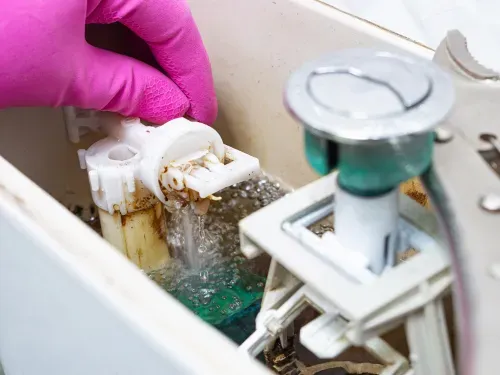
A leaking toilet tank is usually characterized by water continuously overflowing from the tank and flowing directly onto the floor, causing dampness.
Float Valve Malfunction
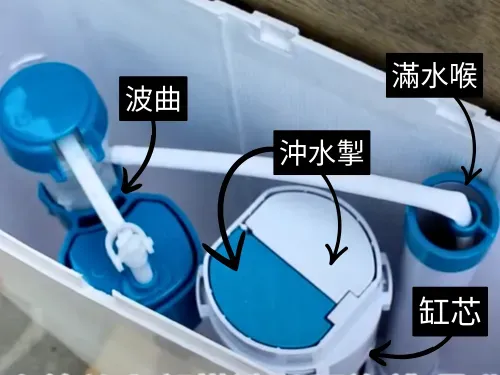
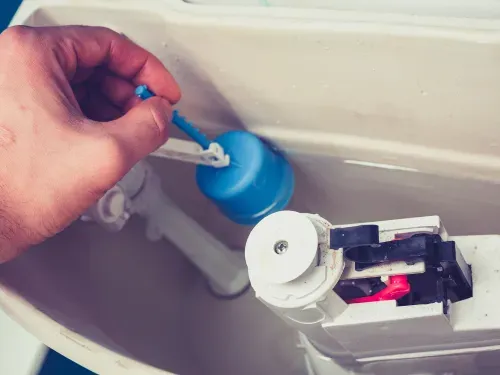
The float valve regulates the water level in the tank. When the tank is full, the float valve shuts off the water inlet to prevent water from continuing to enter the tank. If the float valve malfunctions, water will keep entering the tank, causing it to overflow.
Solution
If you discover a leaking tank, you can follow these steps to inspect and repair it:
- Shut off the main water valve: Before starting any repair work, make sure to turn off the water inlet valve behind the toilet to prevent water from flowing out during the repair process.
- Open the tank lid: Carefully open the tank lid and inspect the condition of the internal parts.
- Inspect the float valve: Check if the float valve is damaged and ensure it can move up and down normally. If the float valve is too high, you can adjust the rod to change its height. If it is faulty, you will need to replace it with a new one.
- Check for obstructions: See if the inlet valve is blocked by any foreign objects. If so, remove the obstruction to restore normal function.
Read more: 【Home Repair DIY】Easy 3-Step $0 Solution for Constantly Running Toilet Tank + Maintenance Tips
Leaking Toilet Base
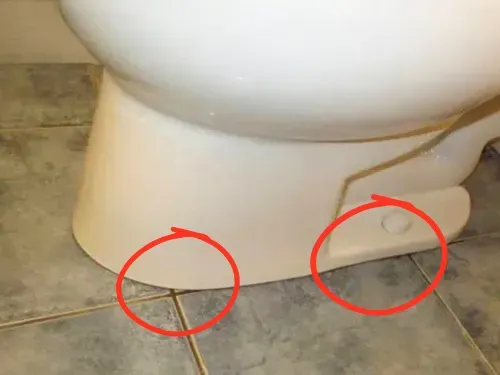
A leaking toilet base is usually indicated by noticeable water stains on the bottom or back of the toilet, or constant water accumulation on the floor, accompanied by unpleasant odors. This type of leak may be due to improper sealing between the toilet seat and the soil pipe, incorrectly installed oil clay used to seal pipe gaps, or cracks in the toilet itself. If the oil clay is aged or damaged, it cannot effectively prevent sewage from seeping out, resulting in leaks.
Solution
If you discover a leak at the base of the toilet, follow these steps:
- Check the wax ring: Inspect the wax ring at the base of the toilet for any damage or deterioration. If the wax ring is compromised, it needs to be replaced to ensure a proper seal.
- Look for cracks in the toilet: If you notice any cracks in the toilet bowl, consider replacing the entire toilet to prevent further leakage issues. If you lack the necessary knowledge, it is advisable to hire a professional plumber instead of attempting a DIY repair.
Leaking Toilet Interior
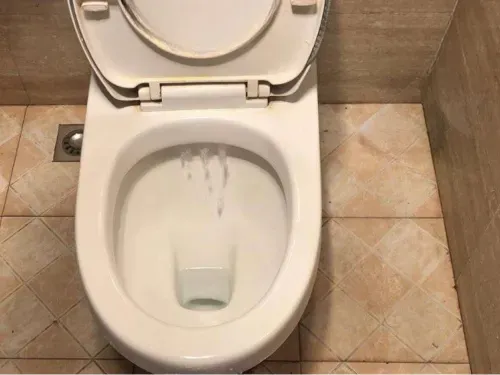
A leaking toilet interior is often due to an aging supply valve gasket or a stuck flush handle. You may hear a continuous dripping sound even when the toilet is not in use, indicating that water is constantly flowing from the tank into the bowl.
Solution
If you encounter a leaking toilet interior, you can repair it by following these steps:
- Inspect the supply valve gasket: Open the tank and check the condition of the gasket. If it appears aged or deformed, remove and replace it with a new one.
- Install the new gasket: Ensure the new gasket is properly positioned and secure the inner cap to prevent leakage.
- Examine the flush handle: Observe if the flush handle is functioning correctly. If it's stuck, gently adjust it to ensure it can reset freely.
Read more: Can I DIY My Toilet? A Comprehensive Guide to All Toilet Parts and Leak Repairs (in Chinese)
Leaking Toilet Supply Line
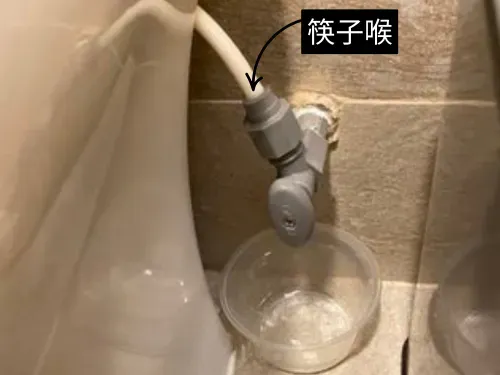
A leaking toilet supply line is typically indicated by noticeable water stains behind the toilet or around the supply line (commonly known as the "chopstick throat" in Cantonese). You may also observe moisture or even mold spots on the wall behind the toilet, which is usually caused by a rusty or damaged supply line.
Solution
If you discover a leak in the inlet pipe, follow these steps:
- Locate the leak: Check for visible water stains behind the toilet or around the inlet pipe.
- Shut off the main water supply: Once the leak is located, turn off the main water supply to prevent further leakage.
- Replace the inlet pipe:
- If the leak is in the external pipe, simply remove the old pipe and install a new one.
- If the leak is inside the wall, you will need to hire a professional to open up the wall for repairs.
Get free renovation quotes for different property types: 裝修報價
Public housing: https://decoman-publichousing.com
Private apartments: https://decoman-privatehousing.com
New properties: https://decoman-newproperties.com
Tong lau and walk-up apartments: https://decoman-tenement.com
===============================================
This article and images are provided by 裝修佬.