

Table of Contents
High-Temperature Tiles: A Comprehensive Guide
🎧 Listen to this article

When it comes to home renovation, tile selection is one of the most important and headache-inducing steps. What type of tiles are most suitable for the kitchen and bathroom? There's a common saying that "floor tiles can be used on walls, but wall tiles shouldn't be used on floors." Can the two be used interchangeably? How should high-temperature tiles be chosen? Let's have 裝修佬 explain in this article.
What are high-temperature tiles?
High-temperature tiles, also known as porcelain tiles, are made primarily from kaolin clay and fired at temperatures exceeding 1,200°C. This high-temperature firing process gives high-temperature tiles superior physical properties such as high density, hardness, and durability, making them resistant to scratches and damage. The high-density structure of these tiles prevents moisture penetration, providing excellent waterproof capabilities that remain unaffected by changing weather conditions, ensuring consistent quality across different environments.
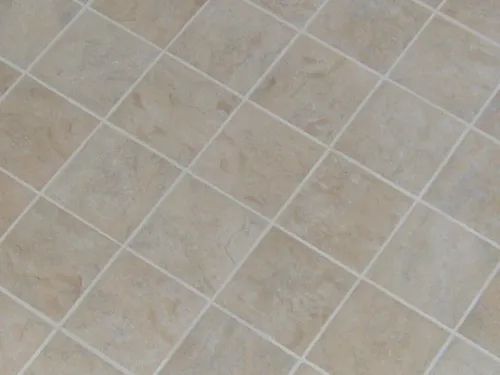
Features of High-Fire Brick
Notable features of high-fire bricks include:
- High abrasion resistance: The surface of high-fire bricks is hard and highly resistant to scratching, making it ideal for high-traffic areas such as kitchens and commercial spaces.
- Good waterproofness: Due to its low water absorption rate, the brick does not easily absorb moisture, making it suitable for humid environments such as bathrooms and toilets.
- Excellent weather resistance: Unaffected by weather conditions, the brick does not experience thermal expansion and contraction issues in either high or low temperatures, making it suitable for both indoor and outdoor walls and flooring.
Read More: [Material Selection Guide] European Tiles VS Mainland China Tiles. What Are the Things to Note When Buying Tiles?
Differences Between High-Fire and Low-Fire Bricks
The differences between high-fire and low-fire bricks mainly lie in their materials, performance, and applications:
- Material source: High-fire bricks are made from kaolin and fired at high temperatures, while low-fire bricks are made from ordinary clay and fired at lower temperatures (700°C to 1,100°C).
- Performance differences: High-fire bricks have high density and strength, with low water absorption rates. In contrast, low-fire bricks have higher water absorption rates, lower strength, and are more susceptible to weather conditions, often resulting in cracks.
- Different uses: High-fire bricks are suitable for both indoor and outdoor flooring and walls, while low-fire bricks are mainly used for indoor walls and are not recommended for flooring.
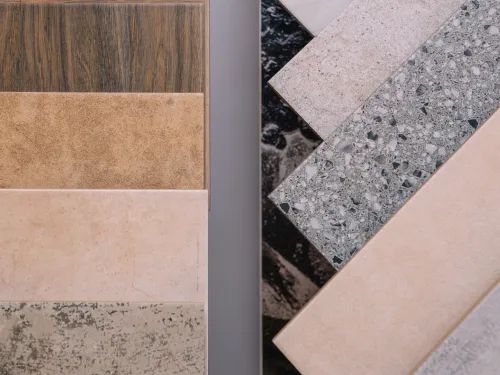
How to Choose High-Temperature Fired Bricks?
When selecting high-temperature fired bricks, consider the following aspects:
- Purpose: Determine where the bricks will be used, as this will influence the choice of color, texture, and pattern. For example, kitchen floors require durable, wear-resistant bricks, while bathrooms need slip-resistant options.
- Quality: Opt for well-known brands with good reviews. High-quality fired bricks are not only durable but also retain their vibrant colors and gloss. Check online reviews or consult with professionals for advice.
- Price: Fired bricks typically range from $40 to $90, depending on the material, color, and pattern. Choose according to your budget, but don't compromise quality for a lower price.
- Sample Testing: Before making a final decision, carefully inspect the product's quality. Examine the brick's color, texture, and gloss, and test its waterproof and wear-resistant properties to make a wise choice.
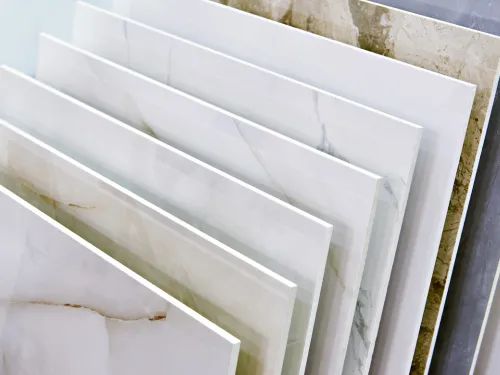
【Shop for various tiles at Renovation MALL now】
"Floor Tiles Can Be Used on Walls, But Wall Tiles Not on Floors"
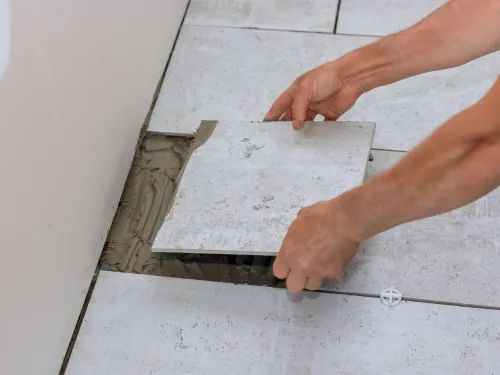
When it comes to wall tiles, there aren't many restrictions on the type of tiles that can be used since they don't need to bear weight. They can be either high-temperature or low-temperature fired bricks. On the other hand, floor tiles must be made of high-temperature fired bricks to ensure high strength and durability. Hence, the saying, "floor tiles can be used on walls, but wall tiles not on floors." However, it's important to note that floor tiles are relatively heavier, and using them as wall tiles increases construction difficulty and quality requirements, leading to higher costs. It is recommended to hire professional installers to ensure a secure and aesthetically pleasing installation.
【Free Renovation Quotation Registration
Free to learn more about different types of renovation quotes:
Public Housing | https://decoman-publichousing.com/
Private Apartments | https://decoman-privatehousing.com/
New Properties | https://decoman-newproperties.com/
Walk-up Apartments | https://decoman-tenement.com/
===============================================
This article and its images are provided by Renovation Lo (專欄作者).