

Table of Contents
Understanding Furniture Finishing
🎧 Listen to this article
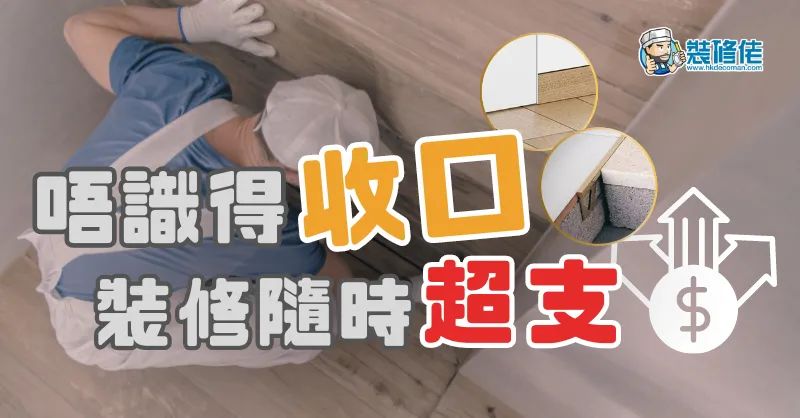
During renovation or custom furniture orders, you often come across the term "finishing". Outsiders may be perplexed, as if being asked to "tone it down" and not to "horse around". So, what is this "finishing" process in renovation? Why is it particularly important for custom furniture? And did you know that different finishing methods can result in vastly different charges?
What is "Finishing"?
Furniture finishing is an essential home renovation technique. "Finishing" refers to the process of sealing the gap between the furniture and the wall, creating a seamless connection between the two. This process plays a critical role in custom furniture, especially when the wall is not completely vertical. Finishing techniques fill in the gaps, resulting in a more perfect renovation for your space!
Advantages of Finishing
- Aesthetic Appeal: After finishing, the joint between the furniture and the wall is neater and more aesthetically pleasing, reducing visual clutter and enhancing the overall beauty of the space.
- Easy Cleaning: Finishing eliminates dead corners between furniture and walls, reducing dust accumulation and preventing insects and small objects from entering. This makes cleaning easier and reduces hygiene issues.
- Size Adjustment: If the wall is uneven, finishing allows for adjustments to the installation position of the cabinet to ensure a perfect fit.
- Prevent Deformation: Finishing reduces the risk of furniture deformation and damage due to environmental changes such as contraction and expansion, thus prolonging the lifespan of the furniture and the renovation.
Disadvantages of Finishing
- Permanence: Once the finishing is done, it is difficult to move the furniture, which may limit future renovation or decoration options. If the furniture needs to be repositioned, the finishing process must be redone.
- Removal Risk: Removing the finishing may damage the paint on the wall or ceiling, increasing the cost and hassle of subsequent repairs.
- Additional Costs: Some furniture companies may not include finishing costs in their customisation and installation fees. If finishing is required, it needs to be calculated separately, and different finishing methods can vary in price.
Different Ways to Finish Openings
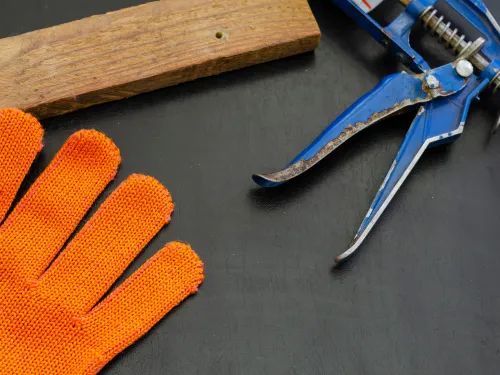
- Caulking: Caulking, commonly known as "gluing", is the most common, simple, and inexpensive method on the market. Typically, a gap between furniture and a wall of up to 3mm is filled directly with a sealant or silicone sealant. However, if the wall is uneven, the caulking may result in uneven gaps, affecting the aesthetics.
- Woodwork Finish: This method involves cutting wooden boards to an appropriate size and installing them in the gap between the furniture and the wall. It is suitable for larger gaps, such as the space between a cabinet and the ceiling. To enhance the finish, a craftsman may use caulking to secure the wooden board, ensuring no shaking or falling off. However, since the carpenter needs to measure and cut the wood, the labor and material costs are relatively high.
- Woodwork and Paint Finish: Building on the woodwork finish, a craftsman will use plastering and painting instead of caulking for a more natural and smooth result. However, due to the longer construction time and the need for more labor and materials, this method is also the most costly.
Differences in Finish Between Ready-Made and Custom-Made Furniture
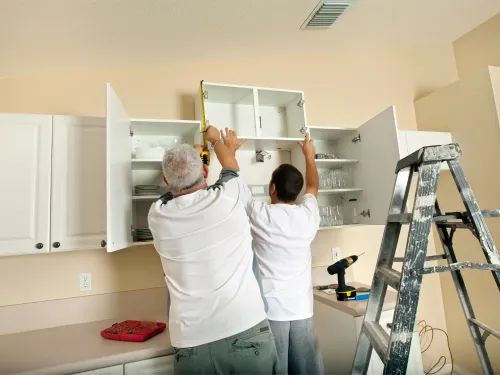
When choosing furniture, the differences in finish between ready-made and custom-made furniture are apparent. Ready-made furniture, typically purchased from chain furniture stores, often cannot be fitted with a finish due to uneven walls and ceilings, coupled with the impact of skirting boards, resulting in an inability to be pushed flush against the wall. Custom-made furniture, on the other hand, is tailored to specific spaces, ensuring a precise match for every location. It allows for seamless joining through finish work, enhancing the overall aesthetics and practicality. Therefore, for consumers seeking a perfect home effect, custom-made furniture is a preferable choice.
Learn more about renovation quotes for different house types for free:
Public Housing|https://decoman-publichousing.com/
Private Housing|https://decoman-privatehousing.com/
New Properties|https://decoman-newproperties.com/
Walk-up Buildings|https://decoman-tenement.com/
===============================================
This article and its images are provided by Renovation Hub.