
Table of Contents
Why Your Clean Clothes Smell Musty
🎧 Listen to this article

Why do clothes not only lack a fresh scent but also have a lingering "musty" or moldy smell after washing? The problem likely doesn't just lie with the clothes themselves, but stems from our daily laundry habits and a washing machine that might be dirtier than you think. Renovation Expert analyzes the main reasons why clothes get smellier after washing and provides corresponding solutions.
1) The More Detergent, the Cleaner?
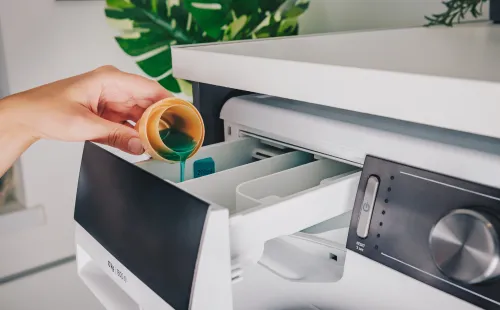
Many people mistakenly believe that using more laundry detergent or powder increases cleaning power. This is a common fallacy. Excessive detergent is difficult to fully dissolve and rinse away during washing, leaving residues in clothing fibers and the gaps of the washing machine drum. These residues not only make clothes stiff but also become a food source for bacteria and mold. Combined with dirt, they produce unpleasant odors. Especially fabric softeners, when overused, form a film on clothing surfaces, affecting the water absorption and sweat-wicking abilities of functional items like towels and sportswear.
Correct Method: Always follow the dosage instructions on the detergent packaging, using the appropriate amount based on the load size and water volume. Most laundry liquid bottle caps have measurement lines; using measuring tools can prevent overuse.
2) Load Size: Full Machine = Saves Water and Effort?
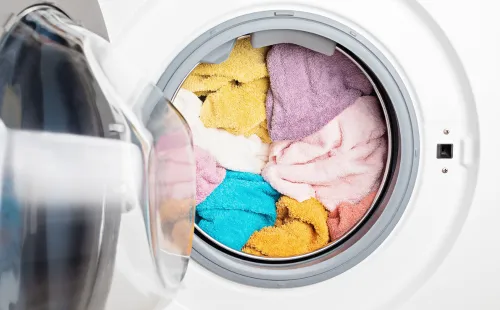
To save time and energy, many people habitually accumulate laundry until there's "a full load" before washing. However, stuffing the washing machine full severely impacts cleaning effectiveness. When there's insufficient space inside, clothes cannot tumble and turn freely, preventing water and detergent from evenly penetrating each item, making it hard to thoroughly remove dirt. In an overly crowded environment, friction between clothes also increases, shortening their lifespan.
Correct Method: It's recommended that each load should occupy at most about 70% of the washing machine drum's capacity, leaving enough space for clothes to tumble adequately inside for optimal cleaning results.
3) The Vicious Cycle of Delayed Handling
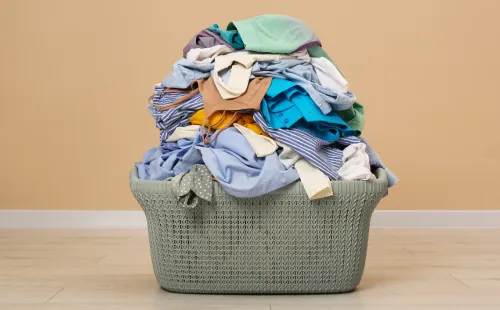
Time management is another key factor affecting clothing odor. Worn, sweat-stained, or rain-soaked clothes left piled in the laundry basket for long periods become breeding grounds for bacteria. Washing them promptly is the first step to preventing odor. Similarly, after the washing cycle ends, damp clothes left sealed inside the closed washing machine for just a few hours are enough for bacteria to multiply massively, producing stubborn "musty" smells that are hard to completely remove even with re-washing.
Correct Method: Clothes with heavy sweat or that are soaked should be washed as soon as possible. After the washing cycle finishes, it's best to remove and hang the clothes to dry within 30 minutes. When hanging clothes, maintain proper spacing between items to ensure air circulation, speeding up drying and preventing moisture buildup that causes odors.
4) An Important Small Action After Use
Another often overlooked habit is immediately closing the washing machine door after washing. The inside of the washing machine remains humid just after use. Closing the door right away creates a warm, damp, enclosed environment—a perfect breeding ground for mold. Over time, not only will the washing machine interior become moldy and blackened, but these mold spores will also attach to your clothes during each wash.
Correct Method: After each wash, leave the washing machine door open to allow air circulation inside, and only close it after the drum interior is completely dry. You can gently wipe the rubber seal around the door edge and any remaining water droplets with a dry cloth to speed up the drying process.
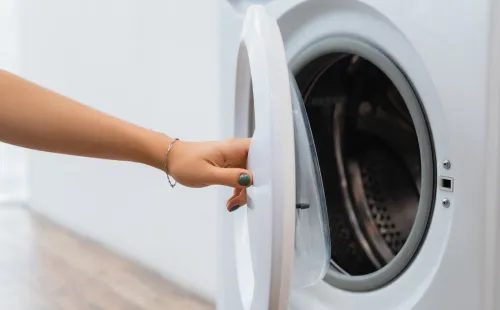
5) The Invisible Culprit: Is the Washing Machine Itself Dirtier Than the Clothes?
When you've tried all the above methods and clothes still smell, the root cause is highly likely the washing machine itself. The washing machine drum consists of inner and outer layers; what we see daily is only the clean-looking inner drum. However, in hidden areas like the gap between the inner and outer drums, pipes, and drain filters, residues from detergent, clothing fibers, human skin flakes, and limescale accumulate over time. Mixed with moisture, these deposits breed large amounts of bacteria and mold, forming a slimy biofilm that becomes a continuous source of odor and contaminates your clothes during washing.
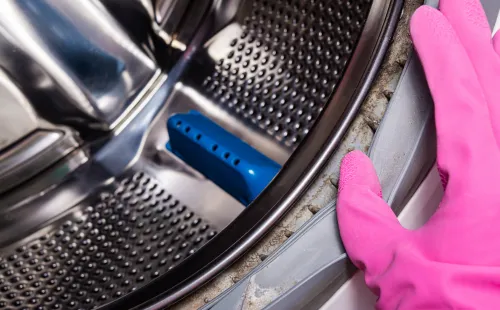
Regular Deep Cleaning: Say Goodbye to the Mold Breeding Ground Inside the Washing Machine
To thoroughly solve the problem, you must regularly "deep clean" the washing machine.
There are many drum cleaners specifically designed for washing machines on the market. Their formulas effectively break down and flush away stubborn dirt, soap scum, and biofilm accumulated in the gap between the inner and outer drums and pipes, eliminating odor sources at the root and maintaining washing machine hygiene.
The usage method is generally very simple:
- Ensure there are no clothes in the washing machine.
- Pour the entire packet of cleaner directly into the drum.
- Select the washing machine's "Cotton cycle" (set to 90°C or higher temperature) or the built-in "Drum Clean" mode, and run a complete washing cycle. Remember not to add any laundry detergent or fabric softener during this process.
- After the cycle finishes, you can run another quick rinse cycle with clean water to ensure any residual cleaner and dirt are thoroughly rinsed away. Performing such deep cleaning regularly helps extend the washing machine's lifespan and ensures clothes come out truly clean and fresh every time.
【Editor's Picks】
Comprehensive one-stop support from renovation quotes to before and after moving in!
>> Get Free Renovation Quote: https://hkdecoman.com/measure
>> Book Home Clinic (Property Inspection/Cleaning/Repair): https://clinic.deco-x.com/
Specialized Sections for Various Property Types:
>> Public Housing https://decoman-publichousing.com/
>> Private Housing https://decoman-privatehousing.com/
>> New Developments https://decoman-newproperties.com/
>> Tenement Buildings https://decoman-tenement.com/
================================================================
*** This article is reprinted with permission from Renovation Expert ***